
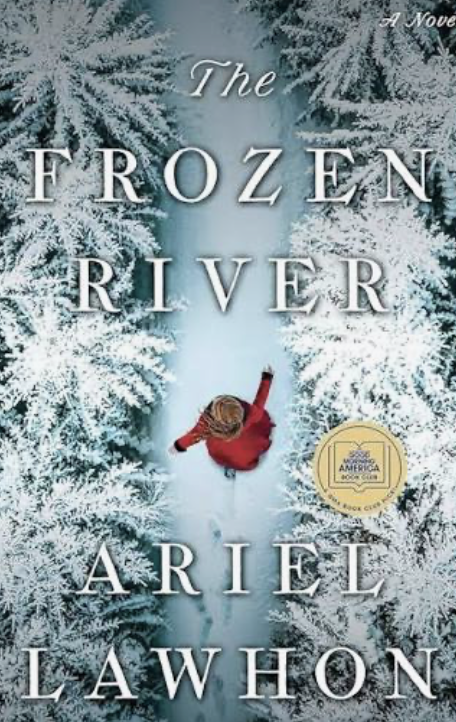
When a friend recommended Ariel Lawhon’s Frozen River for our monthly book club read I have to admit I was not excited. Set in post Revolutionary War Massachusetts (now Maine), the time period and location didn’t resonate with me. I actually partly grew up in New England and spent most of my earlier childhood with every field trip being at some colonial location. I know that era of history fairly well, but unfortunately associate it largely with boredom from all the drilling in elementary and early middle school.
In the end I really enjoyed Lawhon’s story telling and the strong female lead character, based on the real life person of Martha Ballard, a village mid-wife and healer. The story is told through a series of journal entries by Ballard the character, these inspired by the historical diary of Ballard made up of fifty years worth of entries about the daily weather, recorded births she attended, herbs and remedies, and her medical experiences. Lawhon creates a fictionalized account of a murder investigation associated with a recent rape accusation. Facts and fiction are blended so seamlessly that what ensues is an engaging read where the characters are relatable and we learn history without realizing we’re learning history.
So taken with her style and ability to make an era I rarely choose to read about such a pleasant experience, I made a list of her other works and am currently working through them. Second one up: Code Name Hélène.
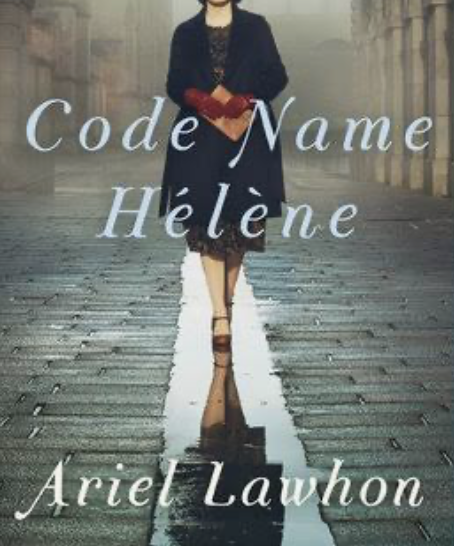
A fictionalized account of another real-life woman, Nancy Wake, Code Name Hélène was even better than Frozen River. Set in a time period that I read about voraciously, this story centers on an Australian born nurse and journalist who ends up becoming part of the French Resistance and SOE during WWII. If I thought Martha Ballard was a strong female, Wake ups the ante. Again Lawhon’s talent lies in bringing the historical person alive in a way that readers can’t help but keep turning pages thoroughly invested in what happens next. It would seem there was more historical record to work with here as Ms. Wake/Madame Fiocca lived more recently and even gave interviews that are still available to read and watch. There are fictional pieces built in to carry some parts of the storyline, but not so as to detract from Wake’s many kick ass accomplishments. Her story is greatly inspiring.
Just when I though it couldn’t possibly get better comes Lawhon’s most recent publication: The Pirate Queen. I finished this one this morning, and oh boy, this may be my current favorite.
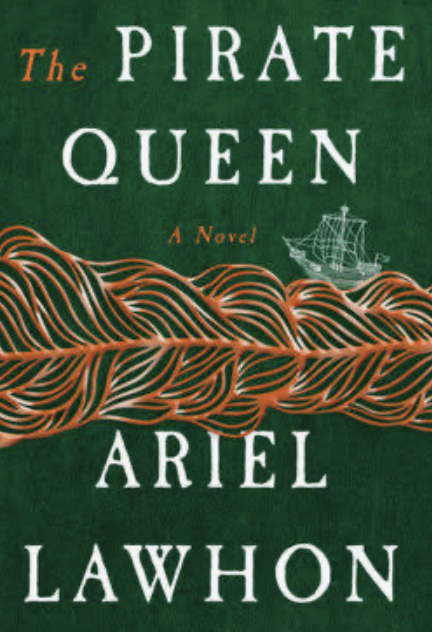
Based on Irish “pirate” and clanswoman, Gráinne Ní Mháille, or in English, Grace O’Malley, The Pirate Queen is told in sections labeled Maiden, Mother, and Matriarch, following different phases of O’Malley’s life. Her true-life tale is a mix of history and legend as records are scant from 16th century Ireland, but Lawhon again takes what she is able to find and weaves another tale that carries itself and its readers page after page. Going back and forth between the time periods is rarely confusing (aside from multiple characters having the same name) and in some of the darker moments this method gives readers hope knowing a glimmer of what happens in the future storyline. My previous knowledge of this time period is largely anglicized; my undergrad degree in English literature focused on British lit. I could have recited all of Henry VIII’s wives, spoke a bit about Elizabeth I’s reign, and James, as well as what Shakespeare thought of them, but Irish history? Not so sure aside from knowing they hated the English. Now I know better why, and I’d love to research it more.
I still have three more Lawhon books on my TBR list, so we’ll call this Part I for now. Stay tuned.

