The Value of Exploration

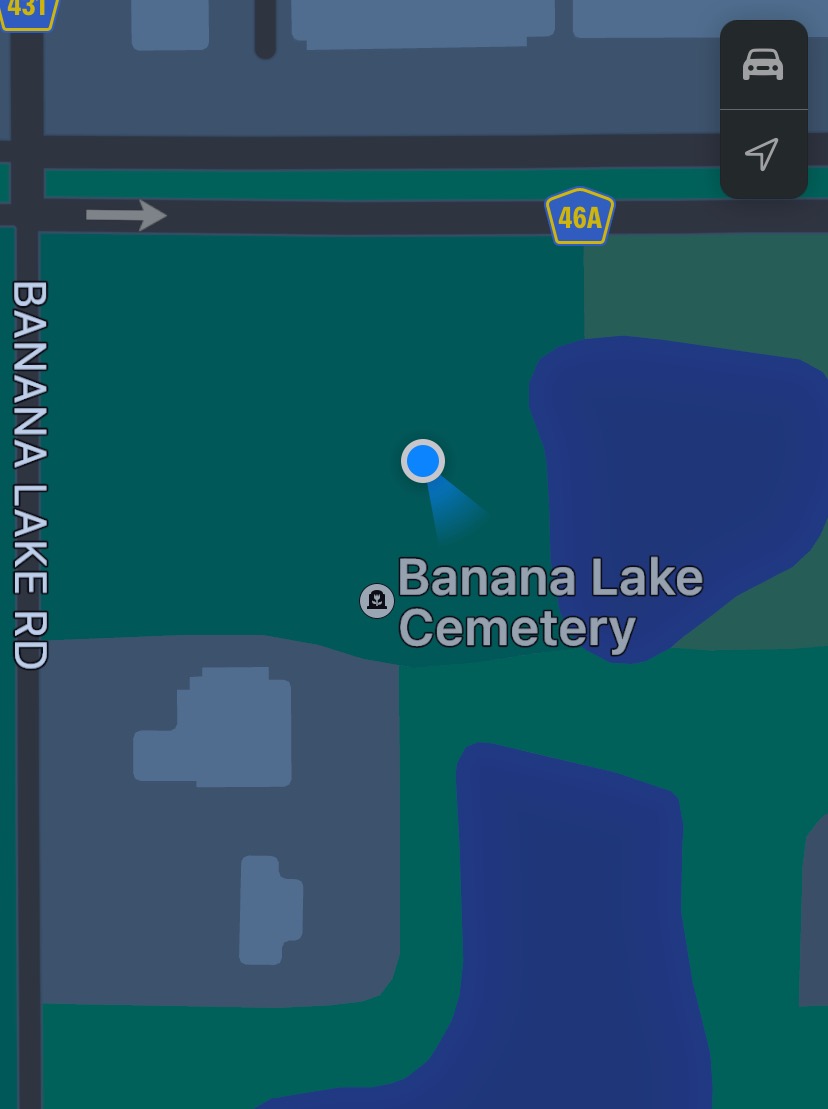
I was creating a route through a map program one day and noticed a location I had never seen before, Banana Lake Cemetery. Odd that I’ve lived and run in this area of Florida for years and years and never saw a cemetery on the corner of a regularly traveled intersection. As I was planning my morning run for today, I thought, “Hmmm, my workout could take me down there, I should see if I can find it.”

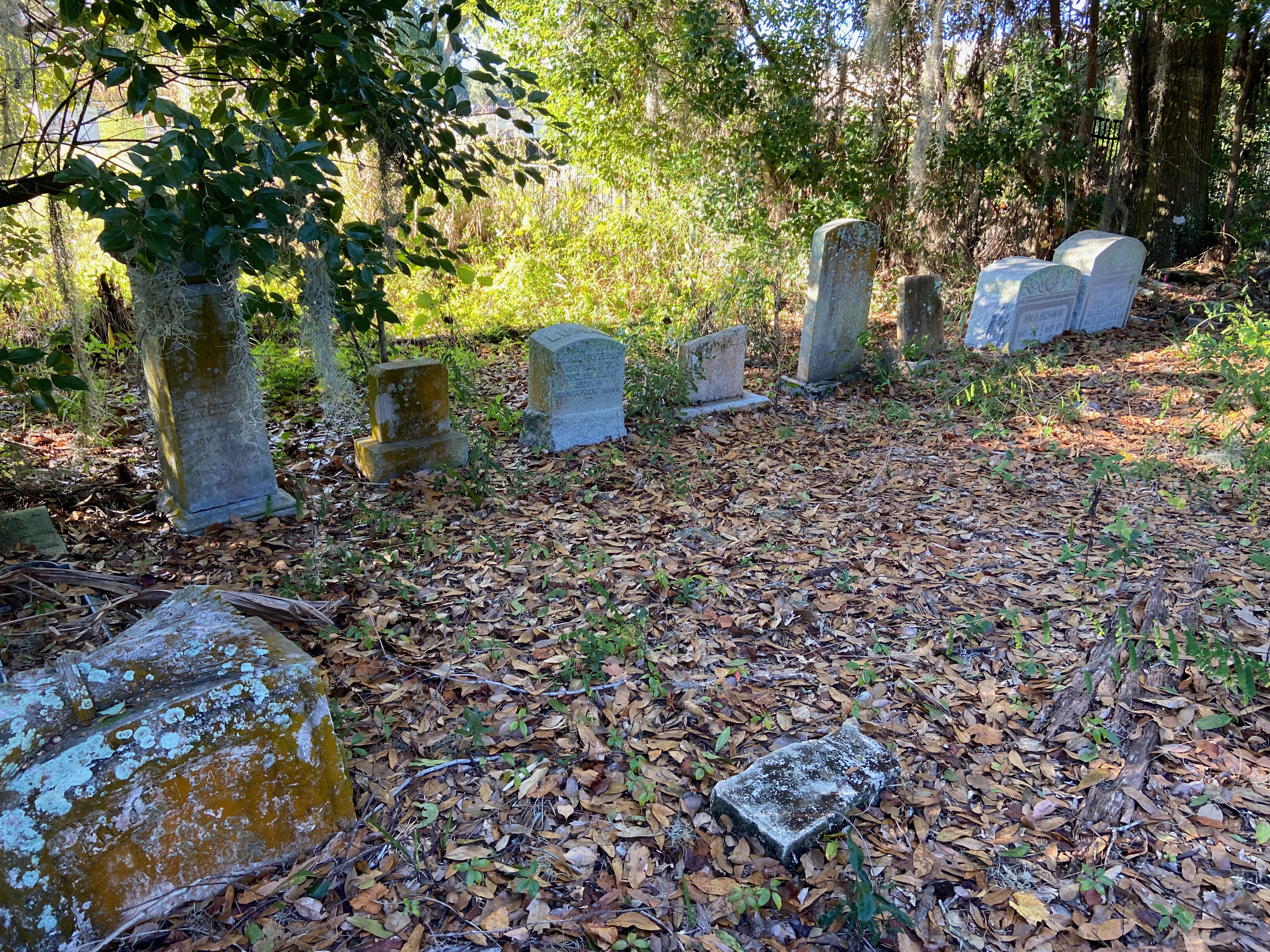
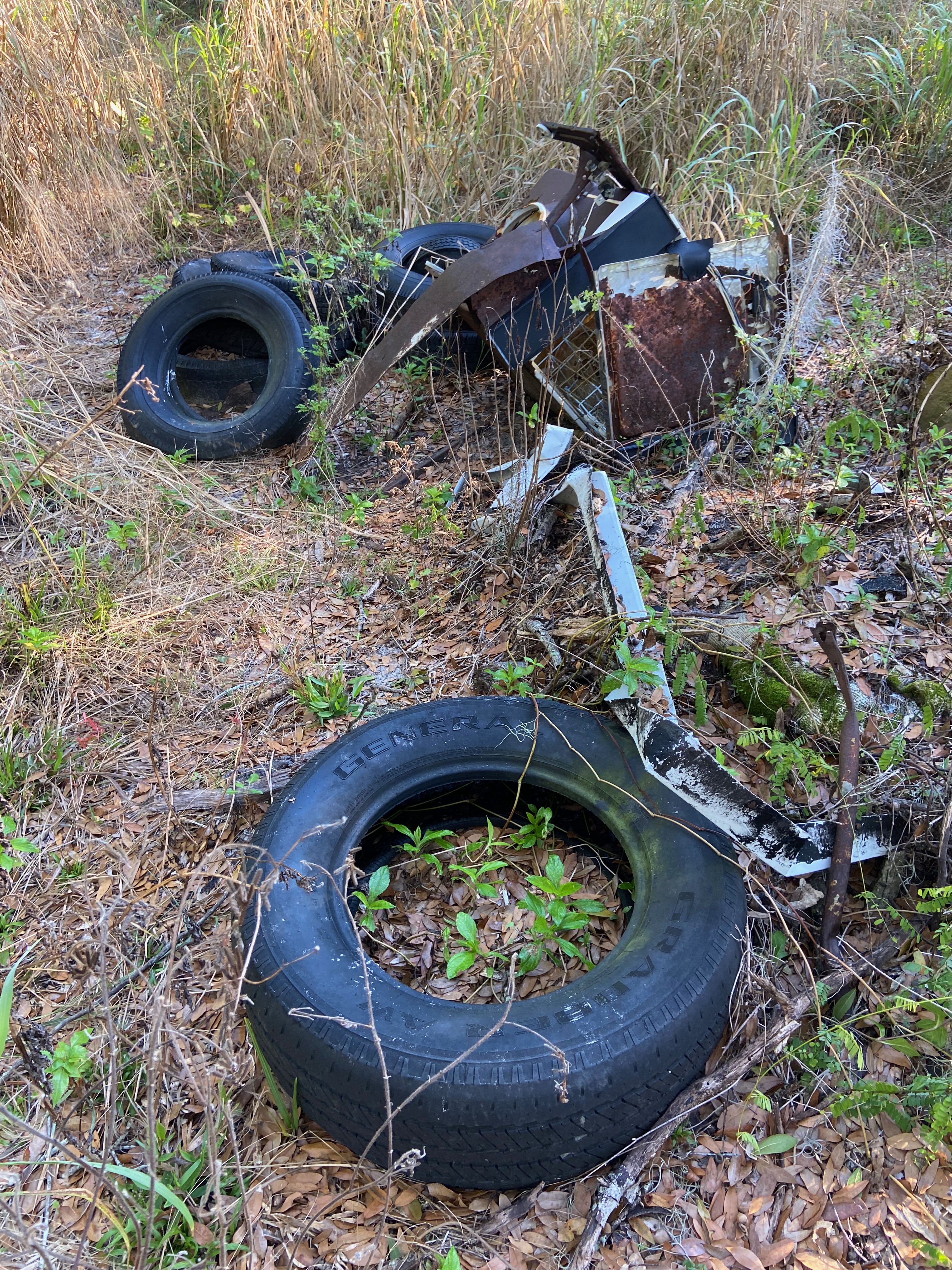
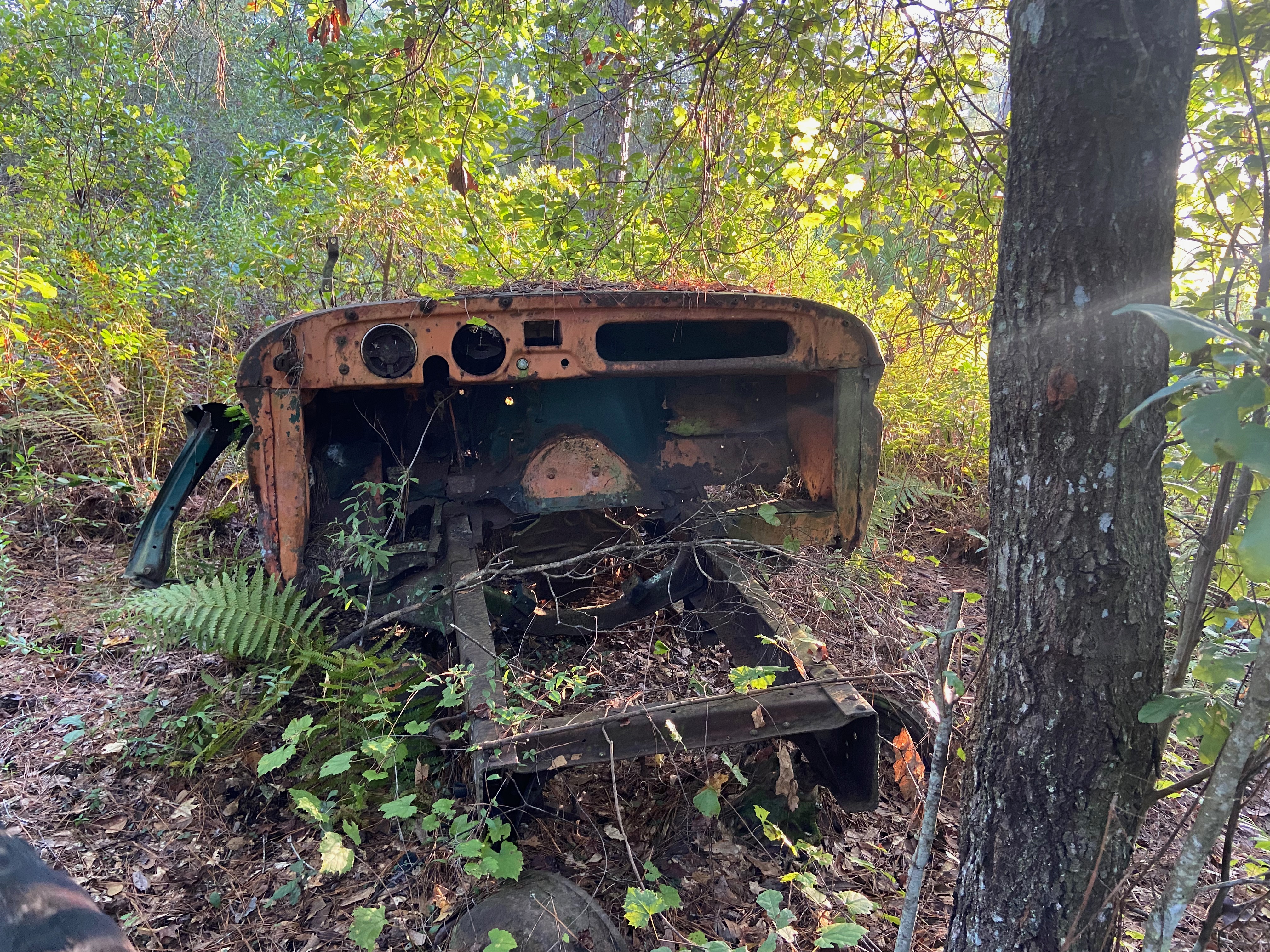
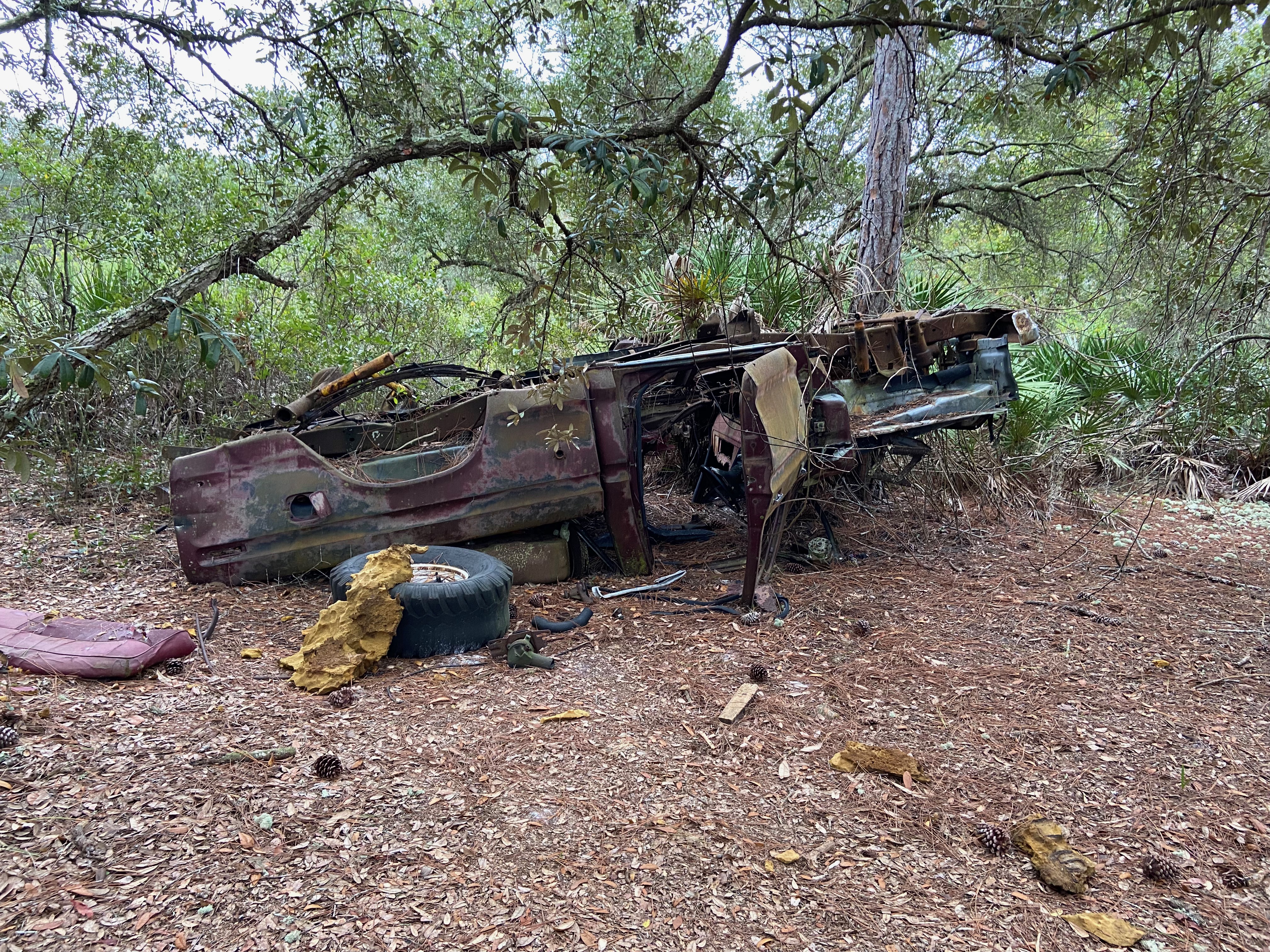
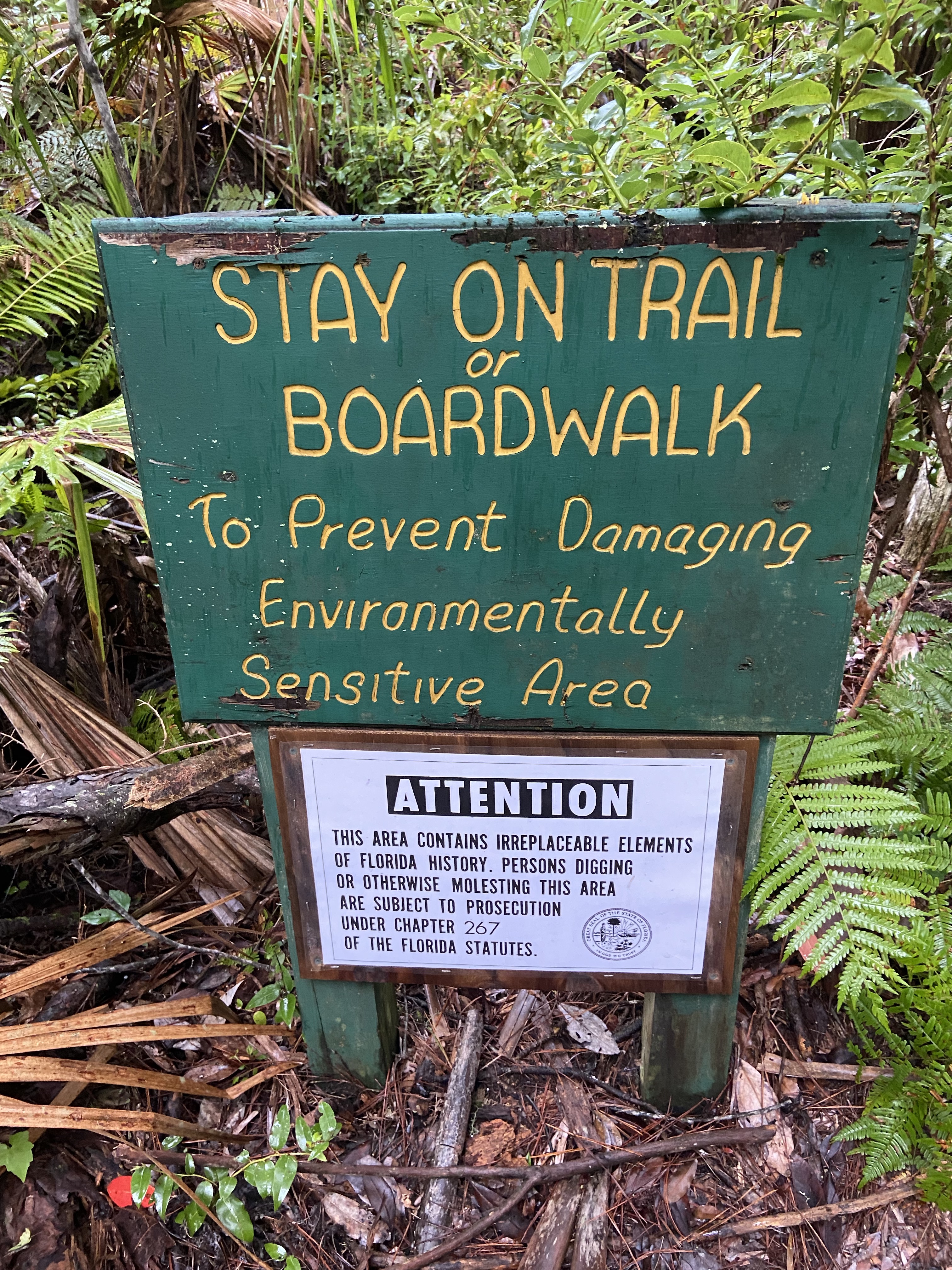
From the road there wasn’t much to see. I pulled up the map app on my phone and saw that I was close, but in reality I was facing either someone’s lovely home and property or a very overgrown lot. As I got closer I could see some small trails, probably made by animals, and some stake markers, but no graves. A few more steps I found some tires and wreckage, and copious amounts of brush with prickly burrs. GPS is only accurate up to so many feet and I was beginning to question whether I was even in the right place when I spied a headstone through the undergrowth. Now there was nothing for it but to wade through the undergrowth and there they were: several headstones in varying states of wear, but with some dates that clearly went back to the mid-1800s! Fun find for sure, but even better were a couple of lessons that apply to digging deep.

Exploration as Mental Rest

When I’m in the midst of a race training cycle it’s easy to get worn out both physically and mentally. Like any runner I have good days and frustrating days. Sometimes the very week I have a race and specific goals to accomplish I have some crappy workouts. Body fatigue turns quickly into brain fatigue and then frustration and doubt rear their ugly heads. Last time I had a week where my workouts just didn’t feel right or “there” I did end up having a difficult race. I managed my time goal, but it felt terrible. My poor coach came along to support me through and I bitched at him every time he jumped in for a bit to try to push me or encourage me along. As my runs have felt challenging this week and I’ve started to stress about a race on Saturday, I’ve also tried to think of ways to squelch the mental fatigue. Taking time out this morning in the middle of an out and back workout to find this random little cemetery helped. I had a fun little mid-range goal and planned my workout around it. Instead of focusing on whether I was going to hit my pace or time, I thought ahead about hitting my turnaround at the cemetery location (or close) and giving myself the little break to explore. On the way back I was excited that I had something new and fun to report back to my coach instead of just griping about an icky workout.

Exploration as Follow-Through

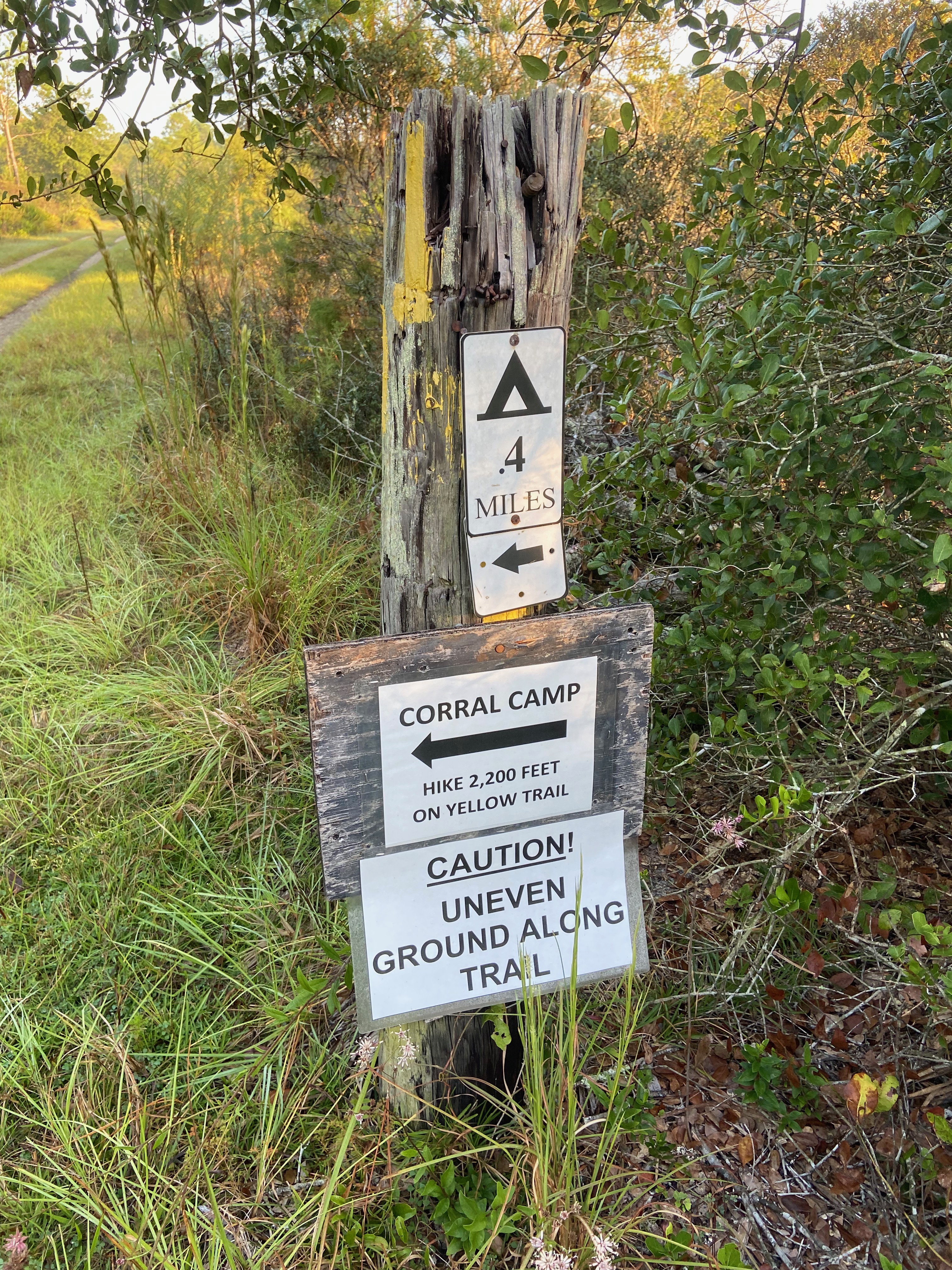
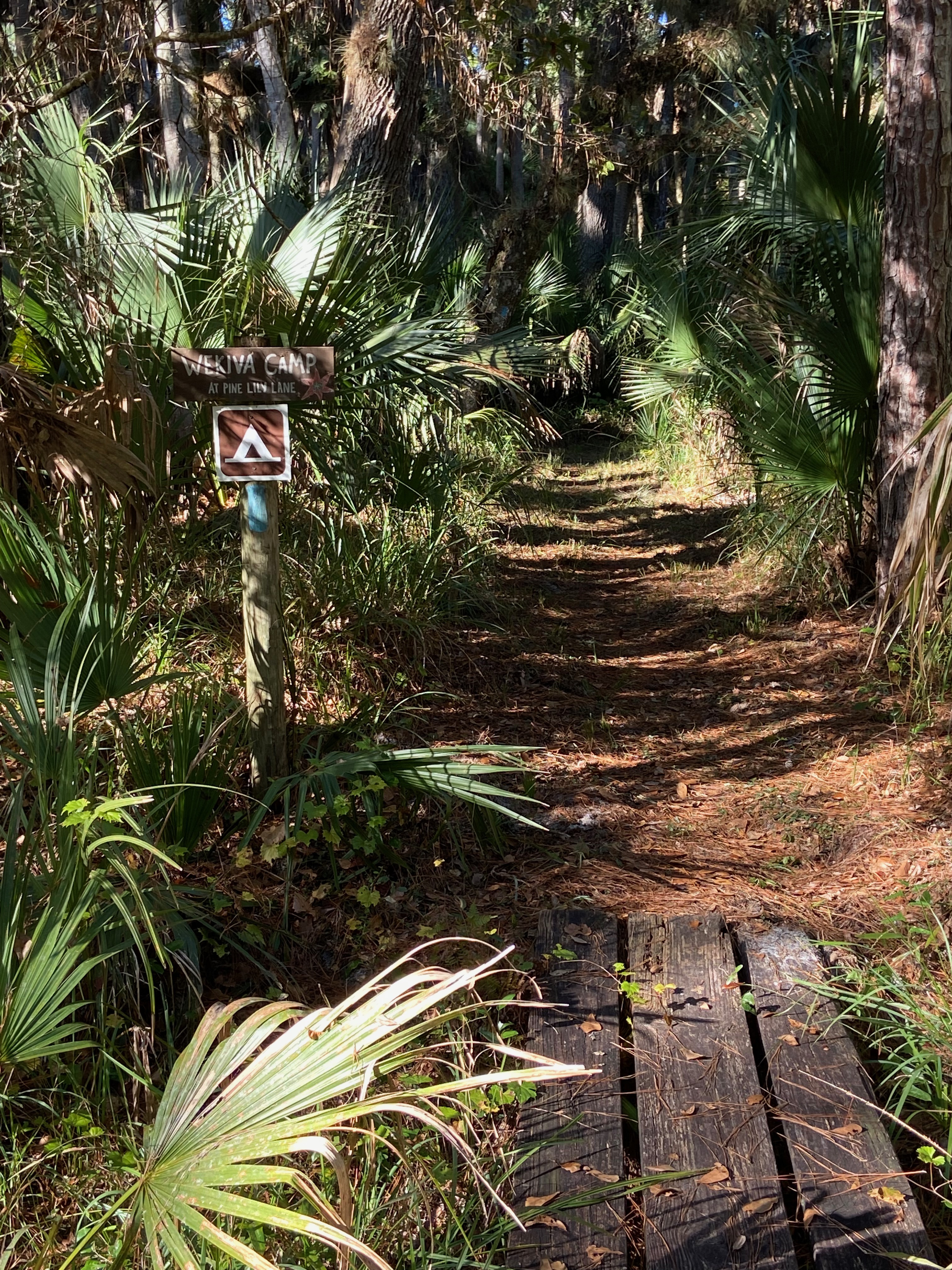
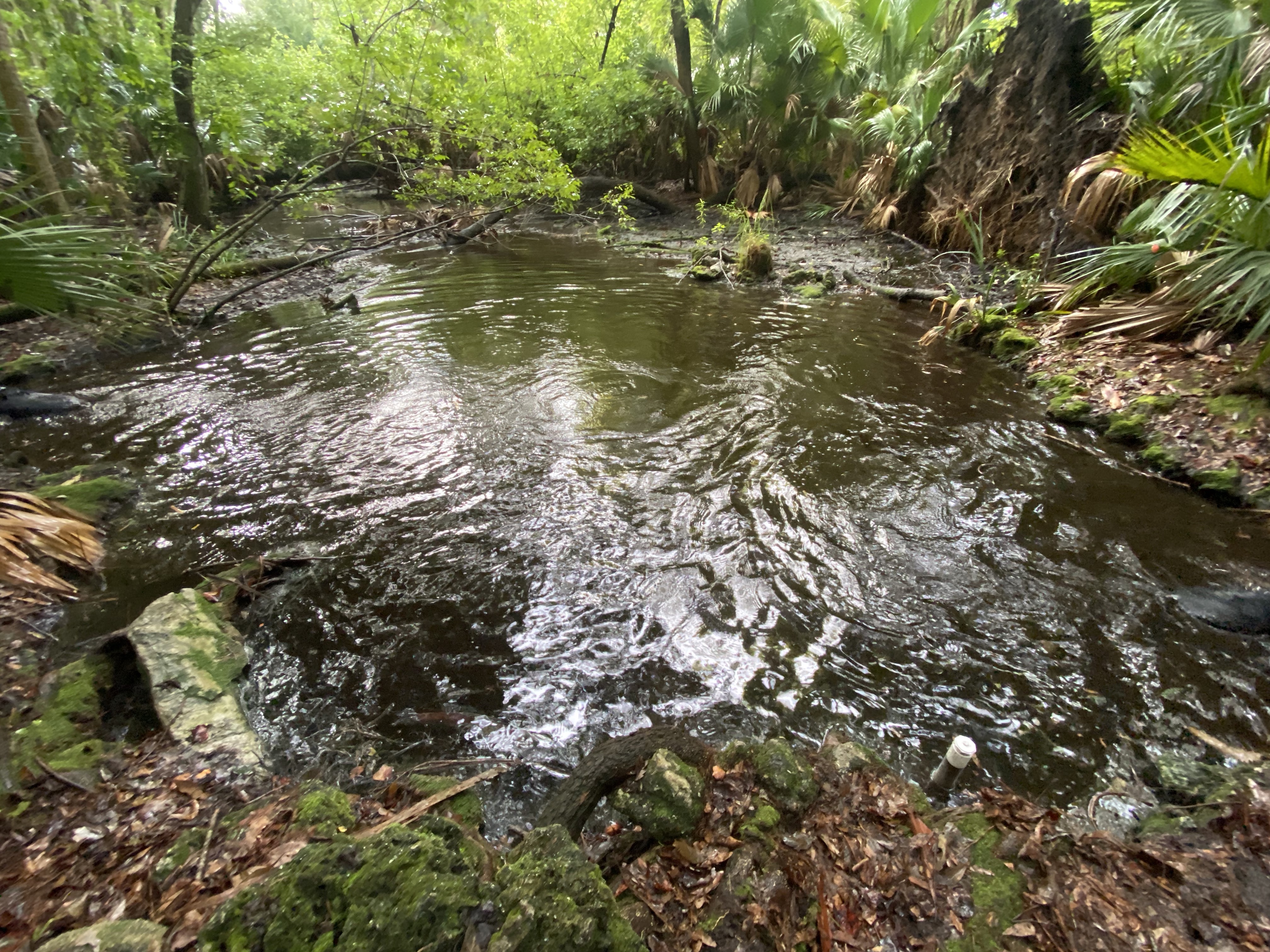
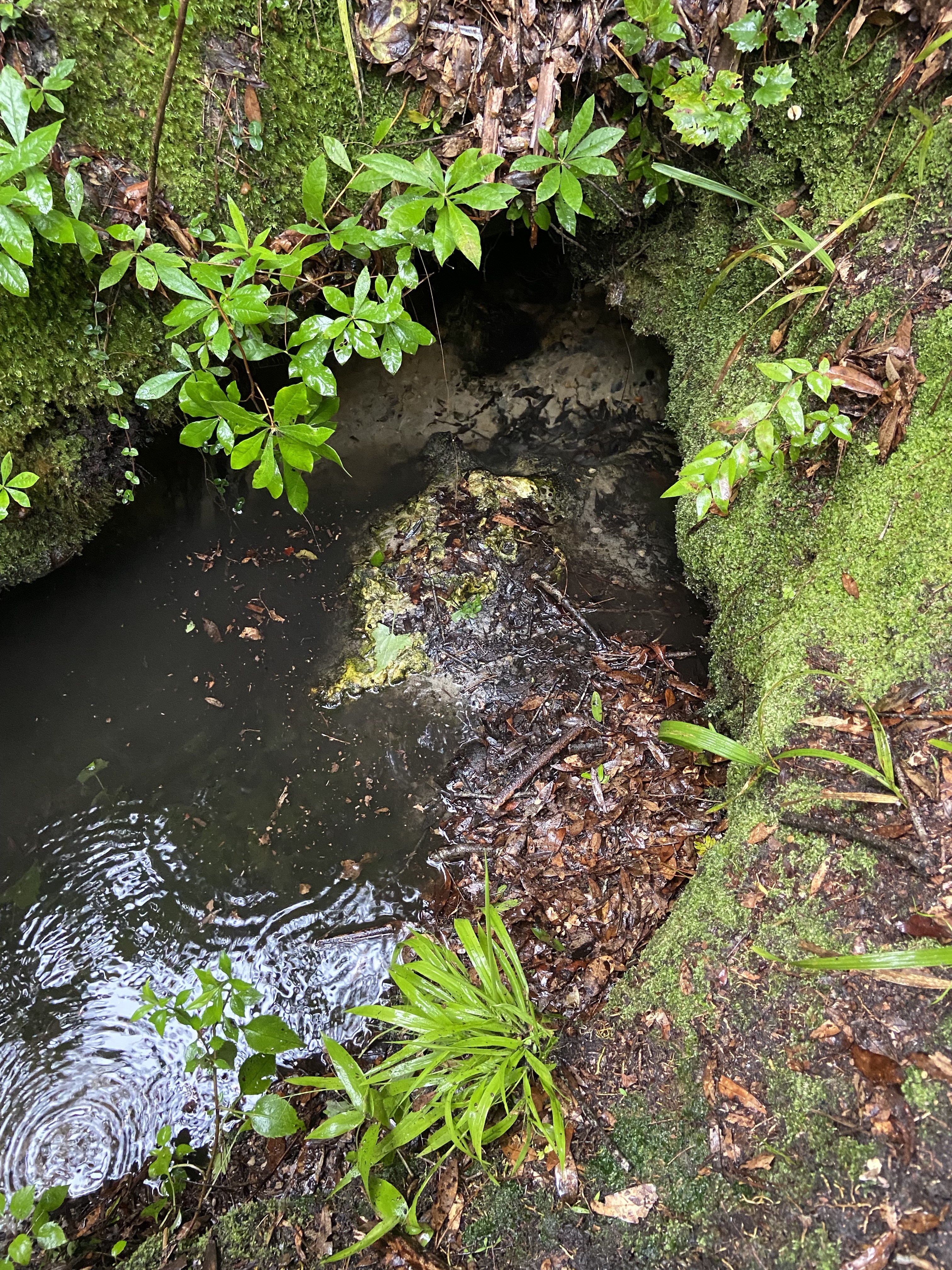
Another benefit of exploration is that every time I push through to the new discovery, I remind myself that goals are achievable if I’m willing to follow through. This morning I wanted to turn around a few times, I wasn’t even positive there would still be something physical to discover, but I also knew I would feel worse if I gave up. When I was a kid I spent hours traipsing through the woods never really worrying about getting lost. As modern adults, we have even less reason to worry as we constantly carry GPS devices in our hands or pockets, but even with technology, we still have to pay attention to our surroundings if we want to make successful discoveries. We have to push through some unbeaten paths at times: literally and figuratively. I’ve found cemeteries, and springs, and camps, (plus some bonus wreckage) all from loosely following a map and sometimes GPS, but often by learning how to read the lay of the land or the trail I’m on. Each time I’ve gotten to the destination, frequently with my canine and/or human trail buddies, I’ve been little kid level excited by the success. Yes, this translates into pushing myself through workouts and races even when the going gets tough or looks uncertain, and yes, despite any pitfalls in getting there, I’m always satisfied with my tenacity.

Digging Deep through Health Challenges

Responses to attack are thought to fall into three categories: fight, flight, or freeze. I think these can also apply to times we experience fear, and when we encounter worrying health issues. Some people receive unsettling or fearful medical news and choose to fight it head on; some may choose to ignore it and flee; others may become paralyzed in indecision or stymied by information and choices.

I’ve told the story of my son’s journey through having a traumatic brain injury and CVA that has led to a lifelong struggle with epilepsy. As a mom I had to dig deep many times over the years to help him face his challenges and also pursue the help he needed. As he grew up he started making the difficult decisions himself and still chose to fight.

On another front, I watched my mom muddle through many years of health issues and eventually choosing not to fight, fleeing instead into overmedicating and becoming addicted to prescription pain killers. She lost her will to push on and chose death at the age of 65. Why did she choose flee while Ryan was choosing fight?

A little over two months ago I received my own worrying health news. Routine screening tests showed blood in my digestive tract. In combination with weight loss, loss of appetite, abdominal pain, slight jaundice, nausea, and chronic diarrhea, both my primary care physician and the gastroenterologist were concerned I may have cancer. Was I scared by this possibility? Of course. I had several moments of wanting to freeze or flee. I really wasn’t sure I could advocate for myself the same way I had for Ryan. I wasn’t sure I wasn’t really, deep down, my mom.

Thankfully my overachiever personality rose to the surface. If the doctor wanted all these tests run, then I was going to do what she said and get all the tests done. Week by week we eliminated major concerns. Each week were thankfully able to eliminate an area of concern. No organs showed overt tumors, my jaundice was likely being caused by a low-functioning gallbladder, and I do have pre-cancerous cells in a portion of my stomach lining. I wavered on having the gallbladder removed, but when I did we discovered the duct that was supposed to carry bile in and out was of smaller than usual caliber and the gallbladder itself was inflamed with backed up bile sludge (Yuck!). Already several symptoms have improved since surgery.

Now I’m left with still the little fear of the pre-cancer. I’m told I’m at low risk for it developing into full blown stomach cancer, but also I should be making some diet changes and will have to have regular testing to check. I’m finding my fight. I will keep running to maintain my overall fitness and health, and I’m digging into gaining information about nutritional dos and don’ts.

Mentorship & Teamwork: It’s Not All About the Running

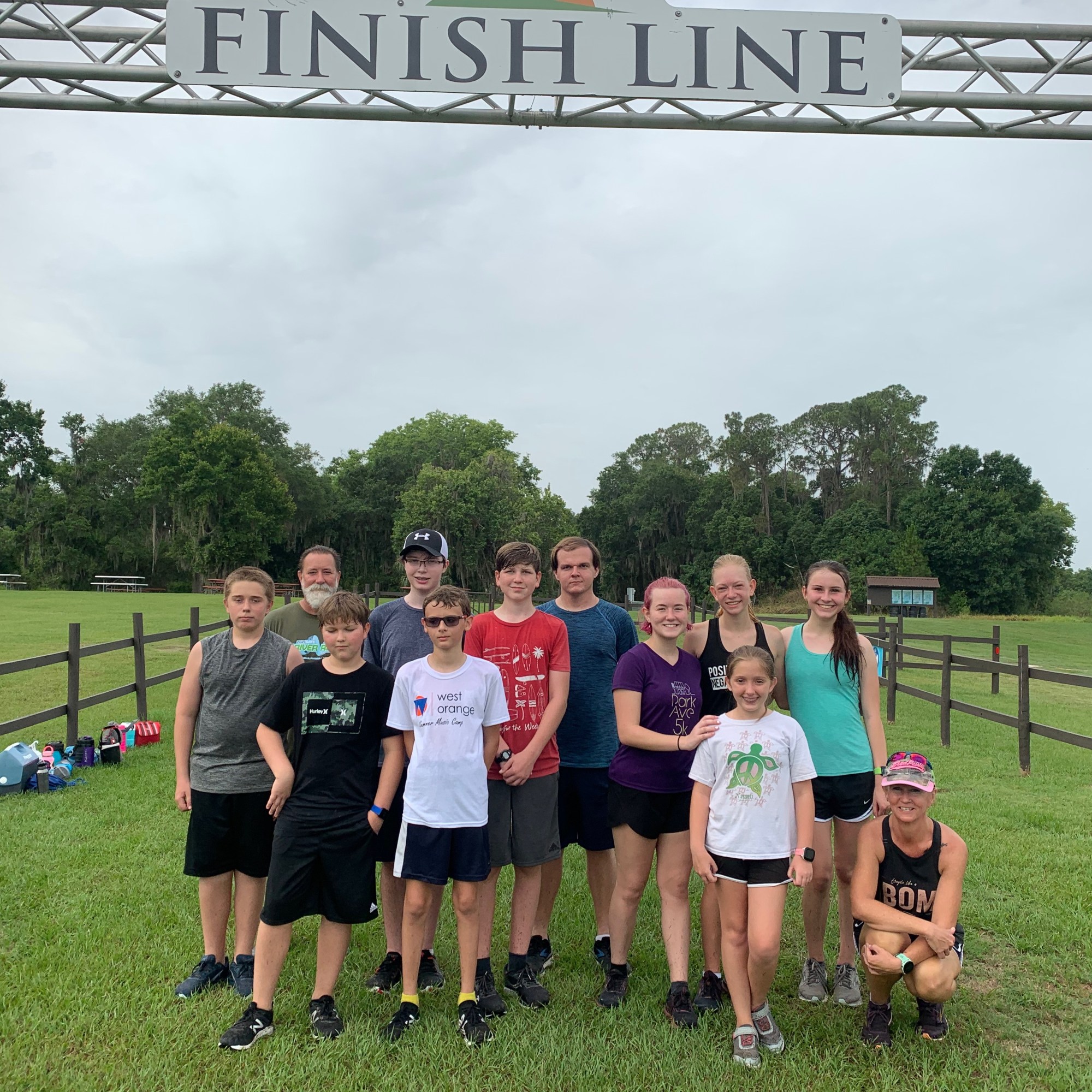
I’ve been coaching a small school girls’ cross country team for going on eight seasons now. While we spend a bulk of our time running together, I have always seen the importance in building relationships through a variety of times spent together, not just at weekly practices or races. My biggest concern isn’t actually how well or how fast they race, it is how well they work together and support each other as teammates. Our cross country environment should be welcoming and challenging. Some of the ways we accomplish this is through group bonding activities and top down mentorship.

Activities

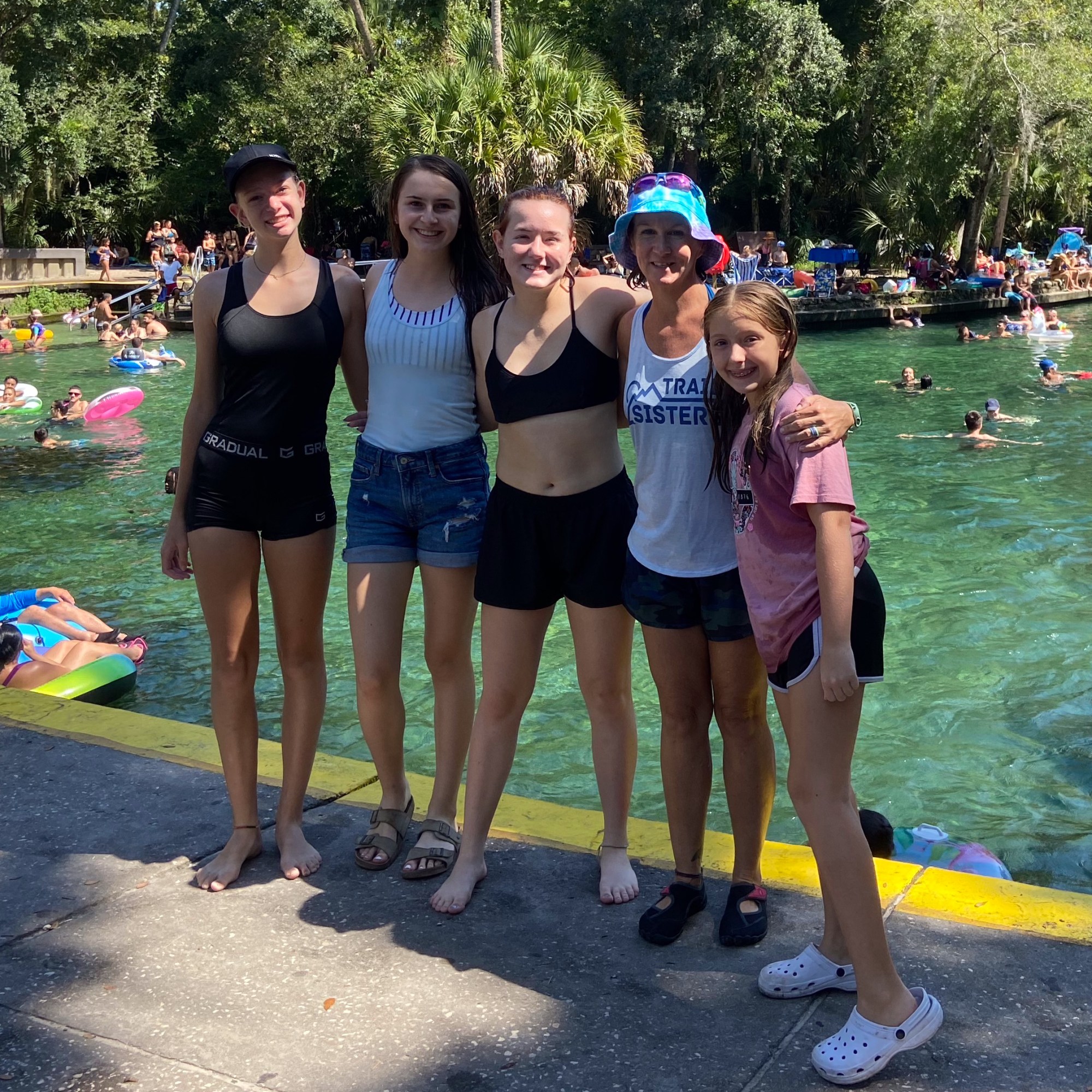
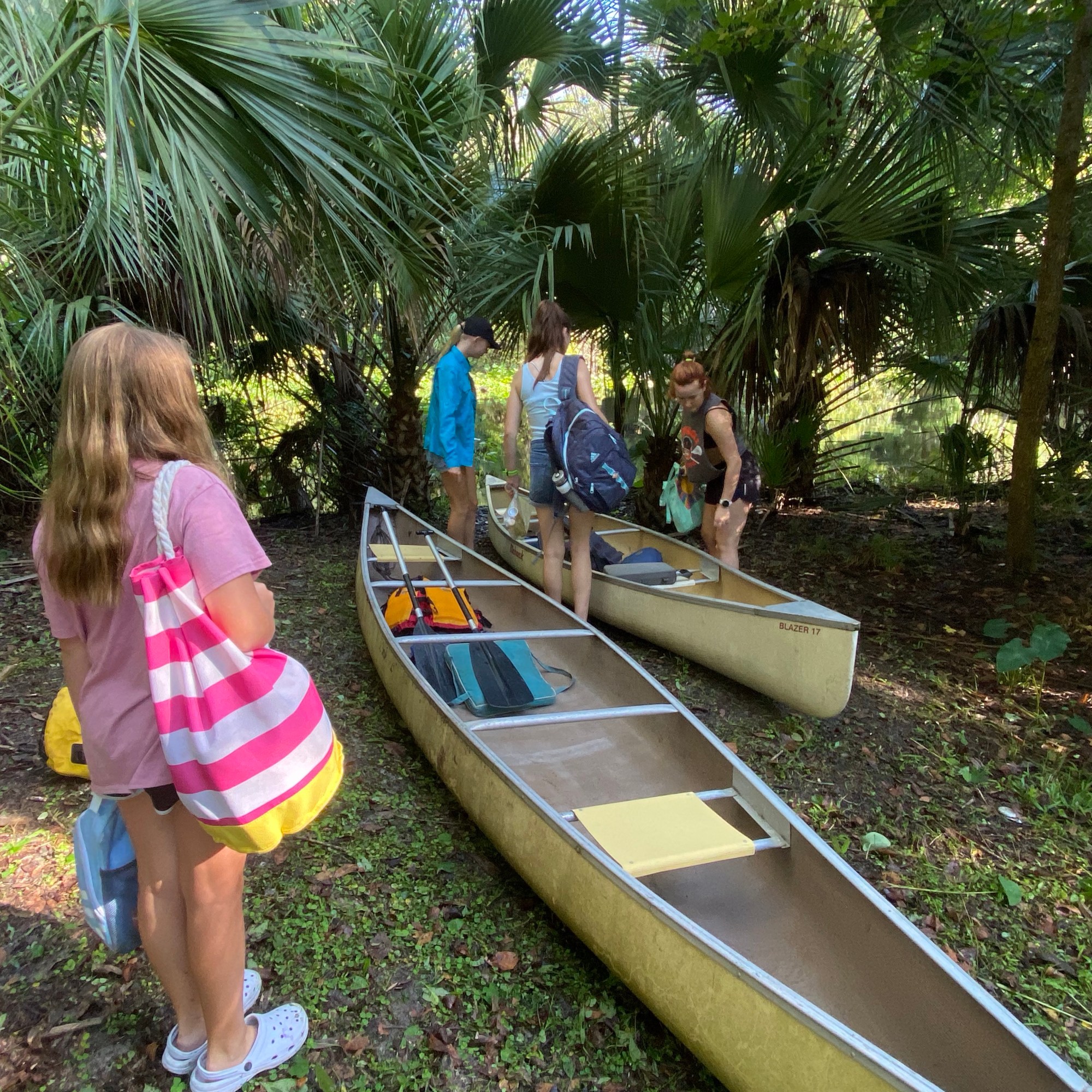
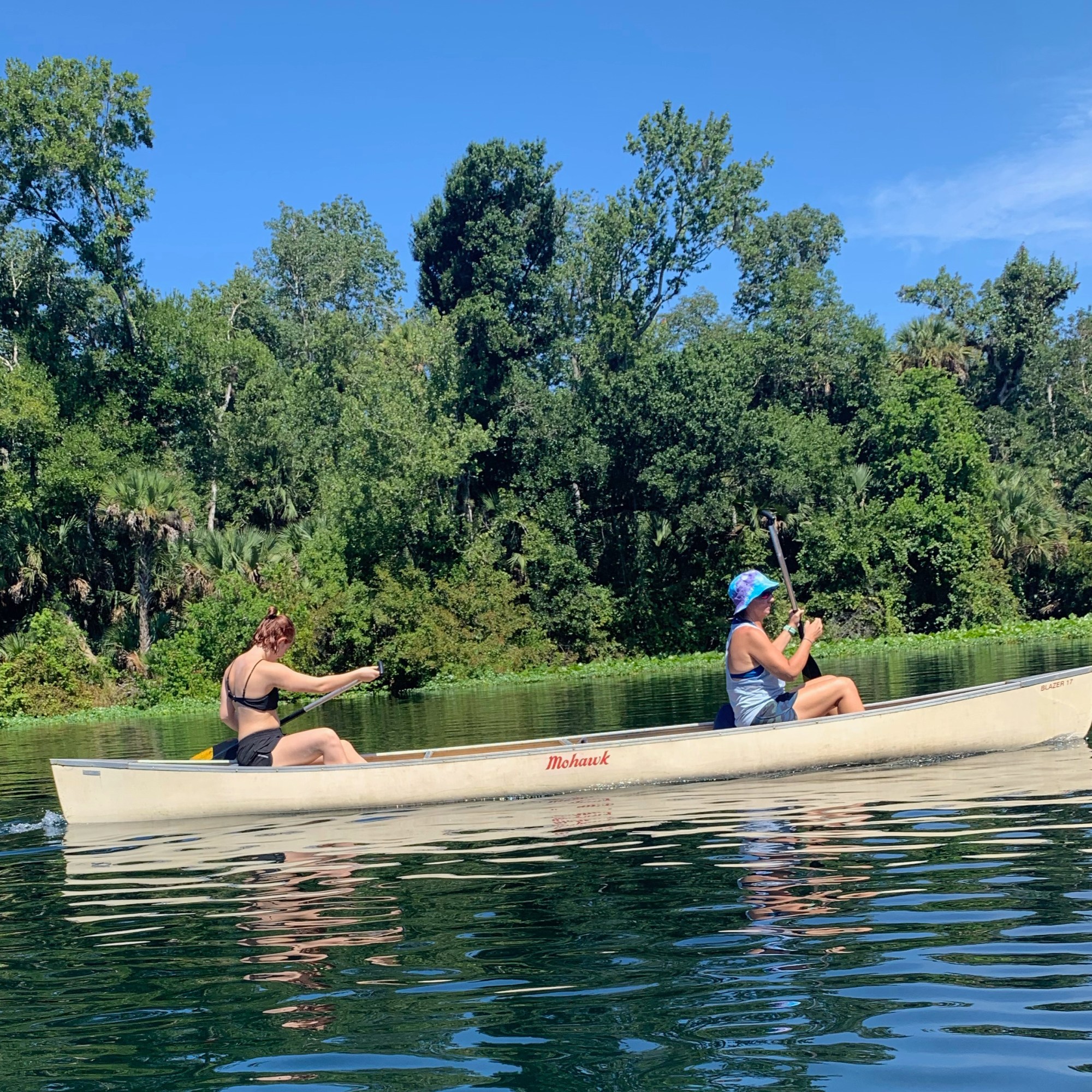
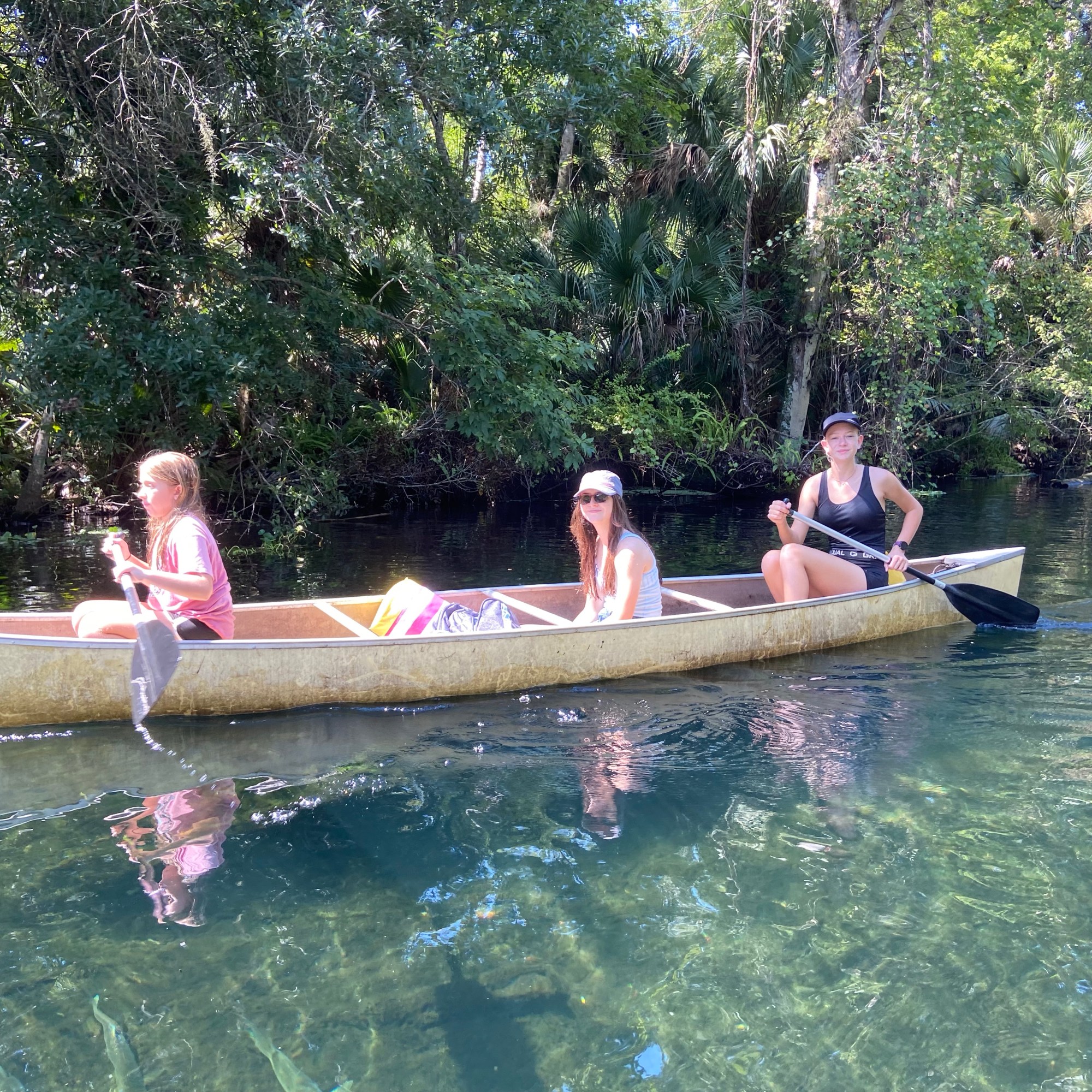
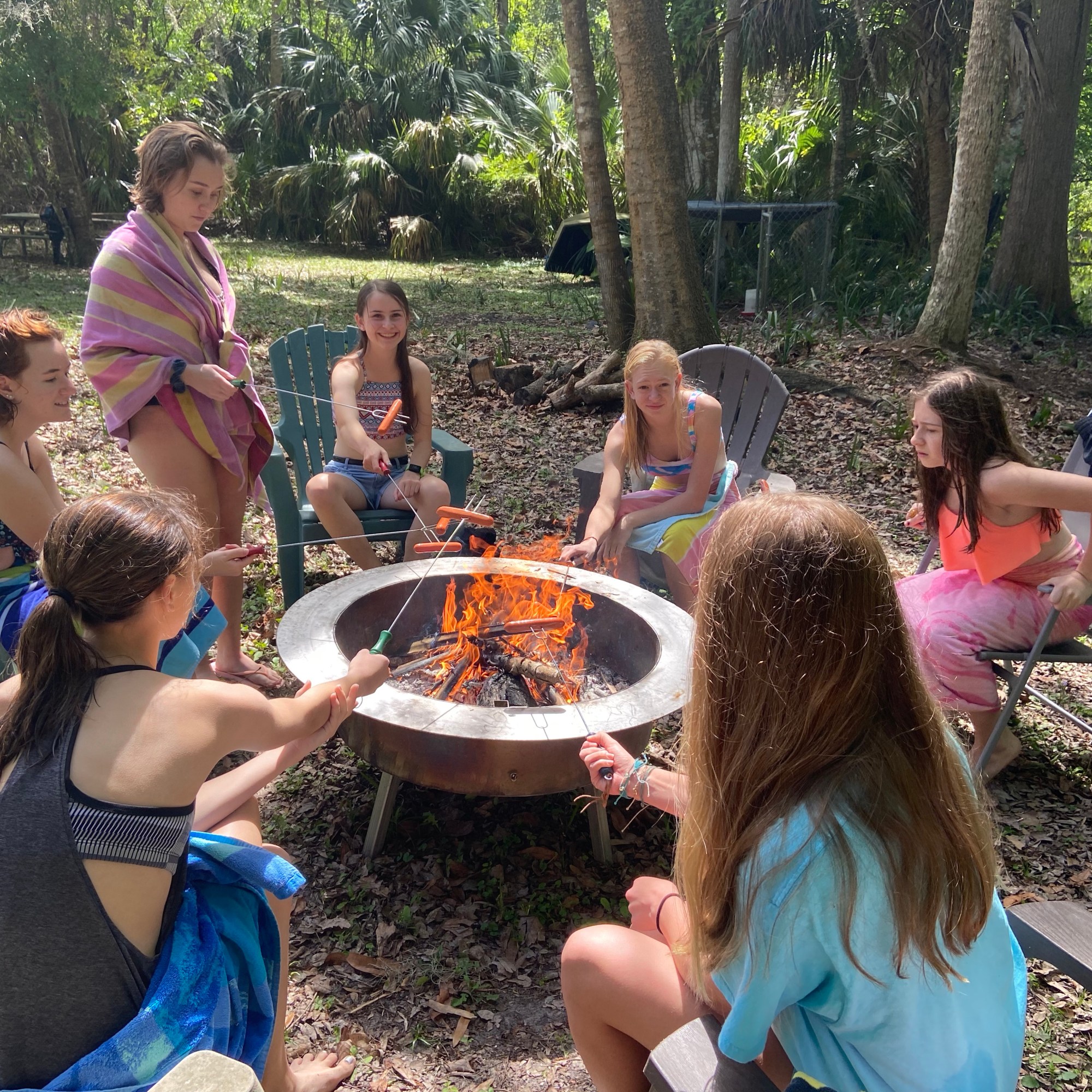
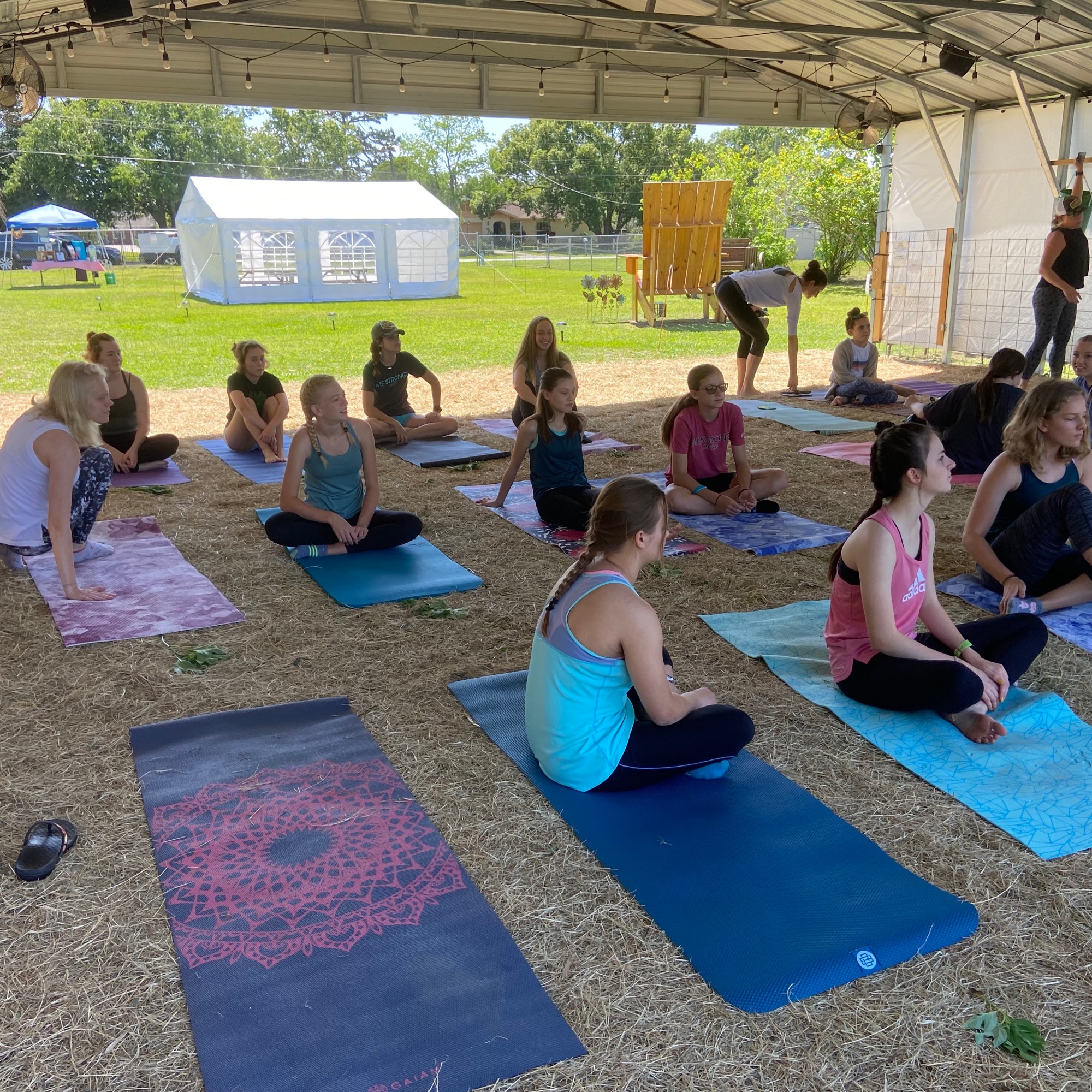
Our weekly training for a fall season starts around the middle of May and runs (literally) through the whole summer. While a big emphasis is conditioning and building endurance in order to race well when the season begins in mid to late August, another crucial facet is team bonding. Summer is the best time for a new runner to come check things out before they commit to the sport, but it is also the ideal time for them to find their place amongst the other girls on the team and get to know them in a less intense time. We intentionally plan a mix of workouts and just general non-running fun times. We have done beach days, swim parties, backyard campouts, trail exploration with dogs, canoeing, goat yoga, Christmas bake-offs, ultimate frisbee, water balloon wars, community races, and more. Each of these activities puts another piece in the puzzle that ultimately becomes a picture of relationships built.

“Ohana means family. Family means nobody gets left behind or forgotten.”

Lilo and Stitch

Top-down Mentorship

While I truly desire to get to know each of my girls personally in order to figure out what motivates them both on and off the racecourse, my time is limited. In recent years I have taken to spending one-on-one time more intentionally with my older girls and captains. Getting to know these individuals on a deeper level helps my coaching relationship with them, but more importantly gives me an opportunity to have input in their lives in other areas as well. Most teenagers benefit from having a couple of adults in their lives who are not mom or dad. An “other” adult can have insight that is more objective at times, and also be a safe person to go to if there are any struggles at home. I encourage the older girls to then pay it forward through mentoring their younger teammates. Often this begins as running a portion of a workout intentionally with a younger or slower girl in order to encourage her and get to know her better. Sometimes it stretches to giving training tips or race advice, or even offering to meet up outside of practice for company during a long run. When we have our non-running fun we do our best to make sure everyone is included and choose widely age or skill appropriate activities. The older girls never fail to incorporate their younger teammates and make them feel important as well.

“The strength of the pack is the wolf, and the strength of the wolf is the pack”

Jungle Book

Finally, ours is an environment where is no room for stardom. Yes, we have faster and slower runners. Yes, we have had individuals move on in qualification with and without the rest of the team. Yes, I have referred to our fastest girl (or girls) as our “top runner” or our “number one or two.” Race times are not a secret. The expectation, though, is that each girl give her best effort the majority of the time. The girls leading the pack wouldn’t be there without the support of their teammates, and the team wouldn’t qualify for bigger meets without the speed of the fastest girls. Her sophomore year, my current top runner qualified for the state meet as an individual. When I told her she had placed high enough, her first question was “What about the team?” When I had to tell her that the team missed qualifying by one point, she cried because she cared more about her team than herself. The team responded by rallying behind her and traveling to the state meet together to support her. The next year they qualified as a whole team, largely because they had the experience of supporting the one.
Nature’s Nurture

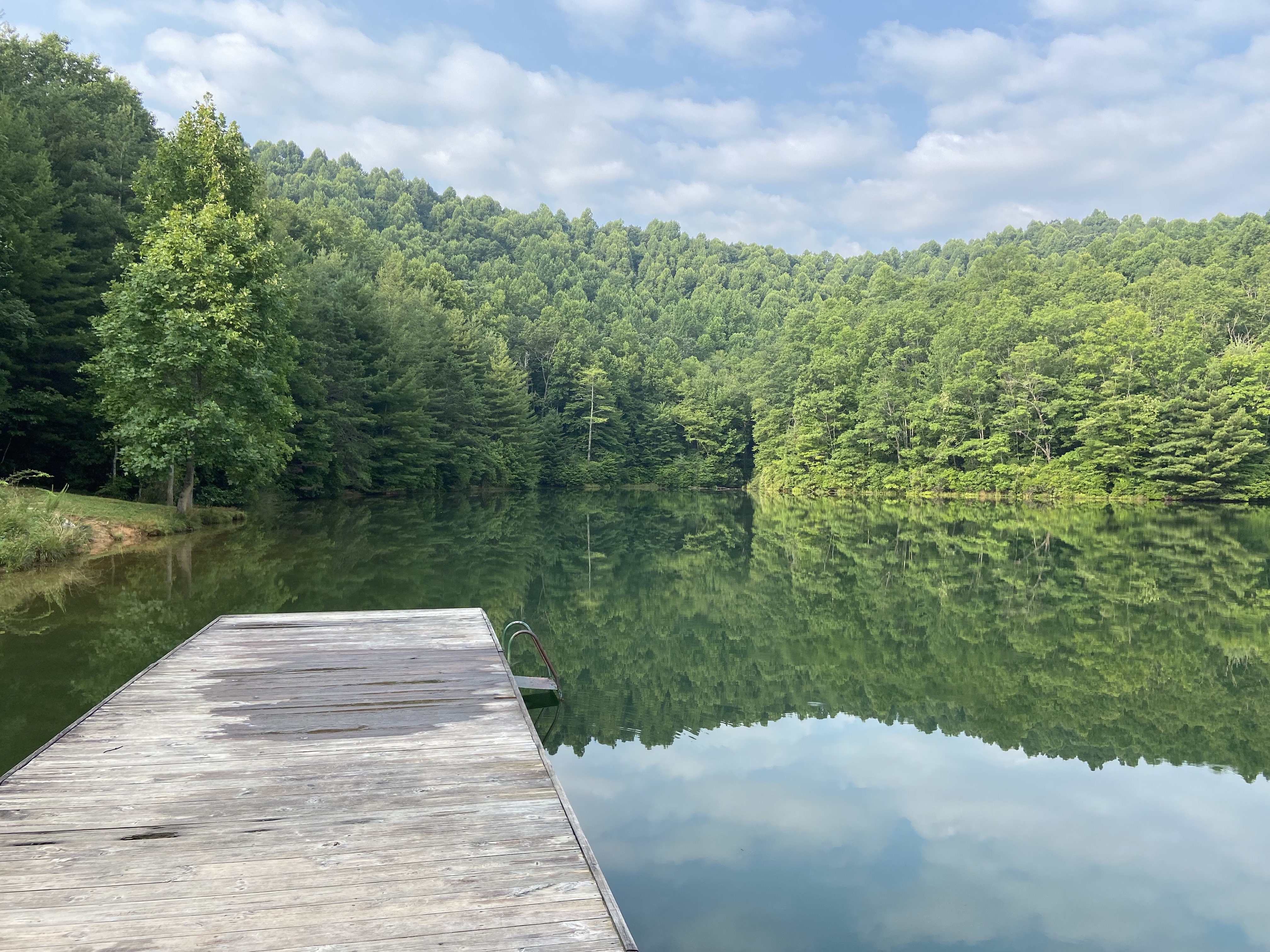
I was listening to a podcast while running this morning that focused in part on the benefits of being in nature. As a society we have lost touch with our natural surroundings over time. We often crave what we perceive as comfort in having a solid roof over our heads, heated or air conditioned spaces, electricity, technology, reliable enclosed transport, etc. It would be easy to presume that both our physical and mental health benefits from having easy access to these comforts, but do they really?
In recent years scientific studies have shown that there is a bacteria in soil (M. vaccae) that stimulates brain cells to produce the “feel-good” chemical serotonin. The scent of petrichor, which is often smelled in the air prior to or immediately after a good rain storm, and sometimes associated with the “wet earth” smell, has a similar effect on the human brain. We joke that many of us may be healthier today because we ate dirt as children, but it may be that it’s no joke as some of that bacteria we likely ingested helped boost our immune systems in the long run. Couple that with just the basic fact that trees produce oxygen, soil contains large amounts of nitrogen, and it’s not a huge leap to assume we just breathe easier when we are out in nature, both literally and figuratively.

As for mental health, there are also studies that suggest where people have access to green spaces, even in urban environments, their stress levels are lowered. That same M. vaccae mentioned above has an anti-inflammatory effect on the brain and brain inflammation has been linked to PTSD, anxiety, and depression.

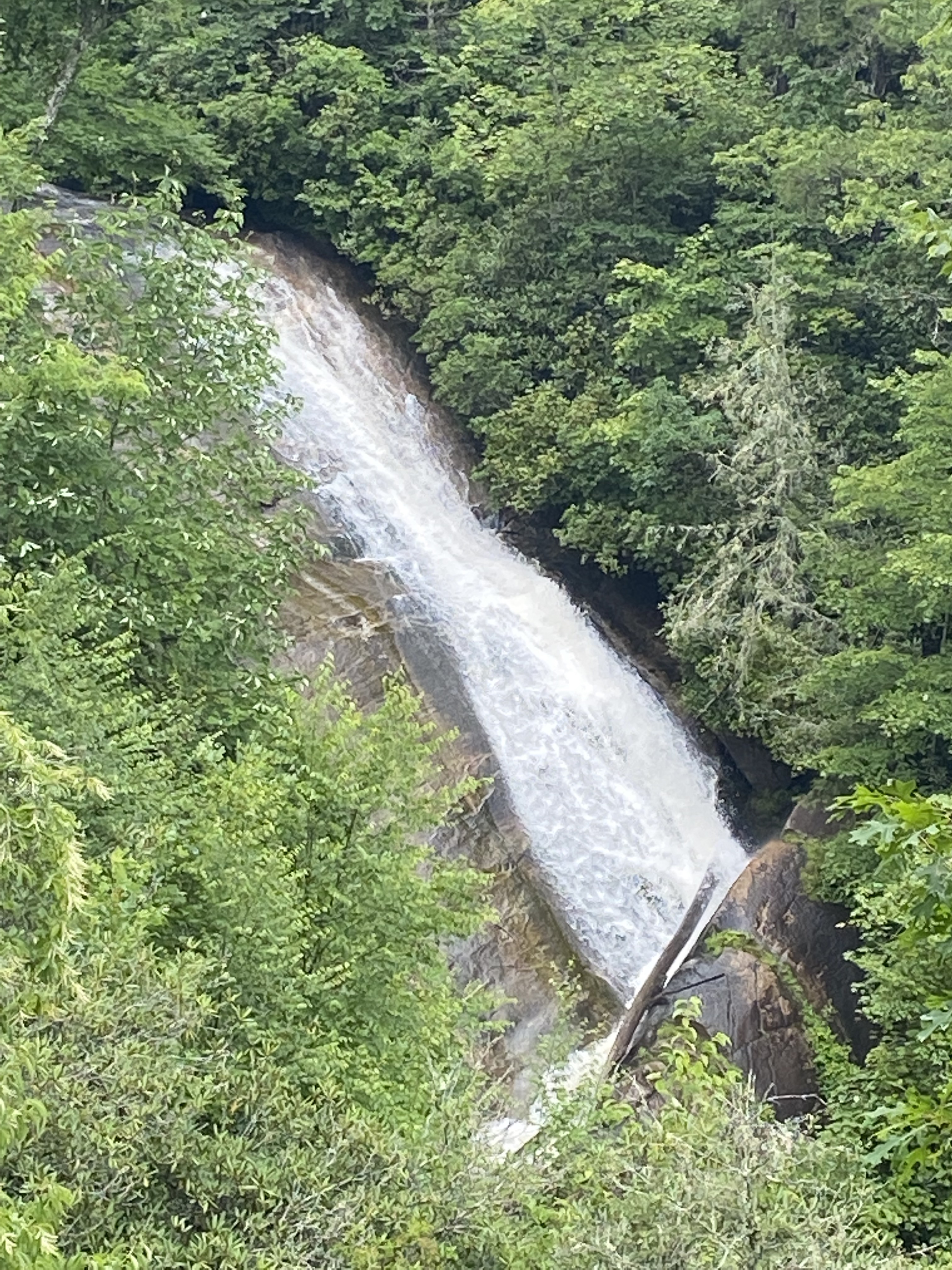
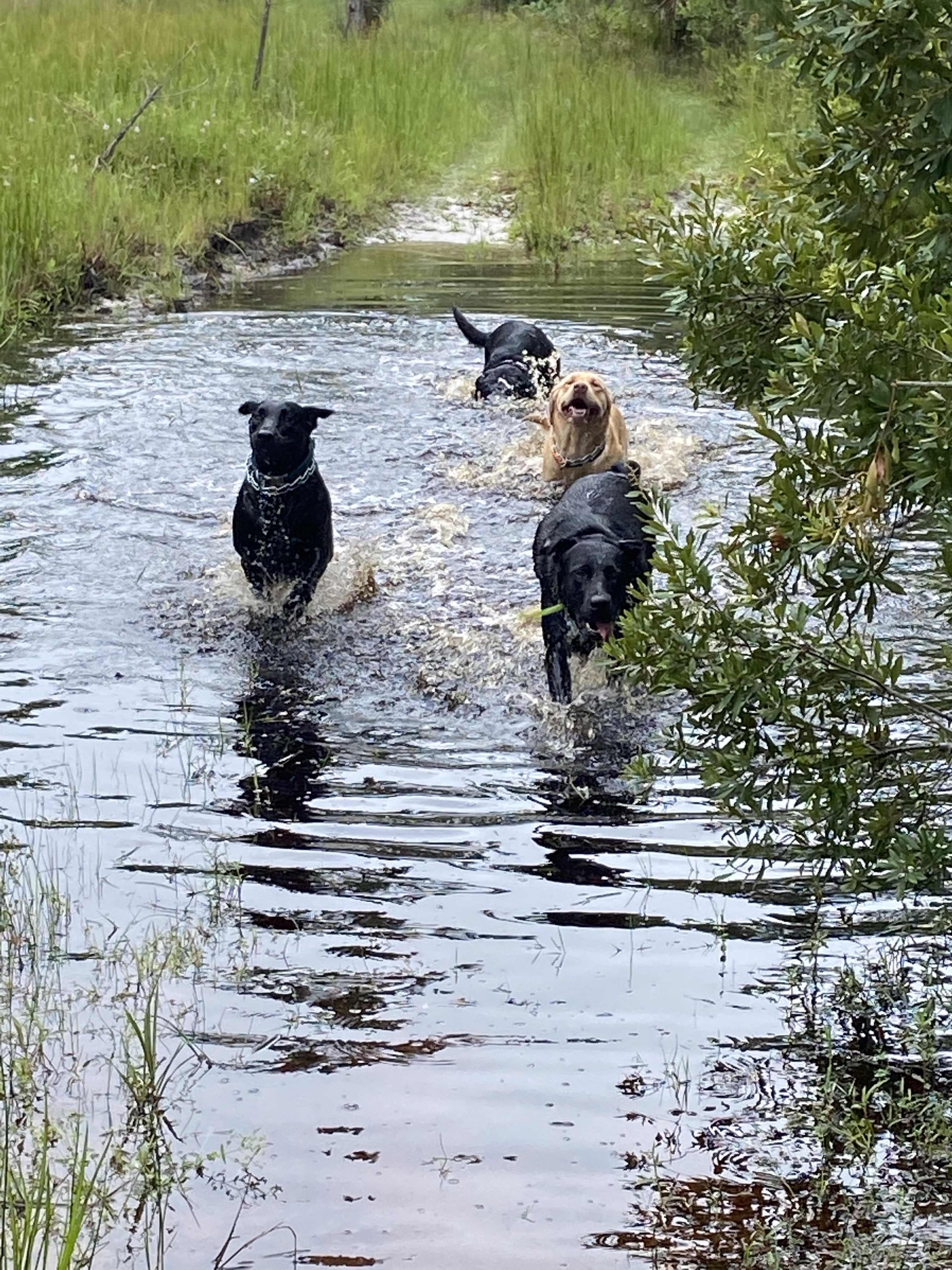
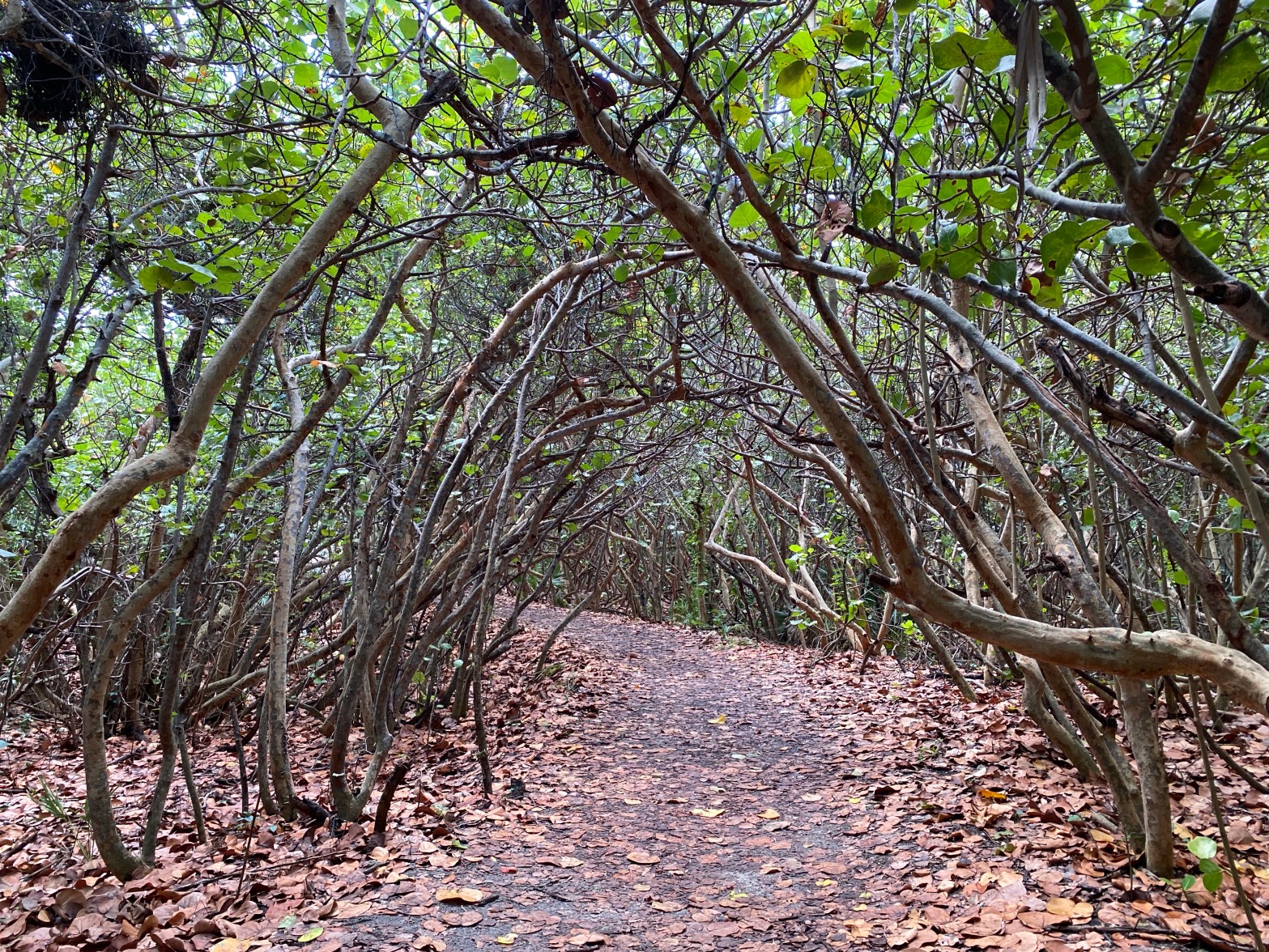
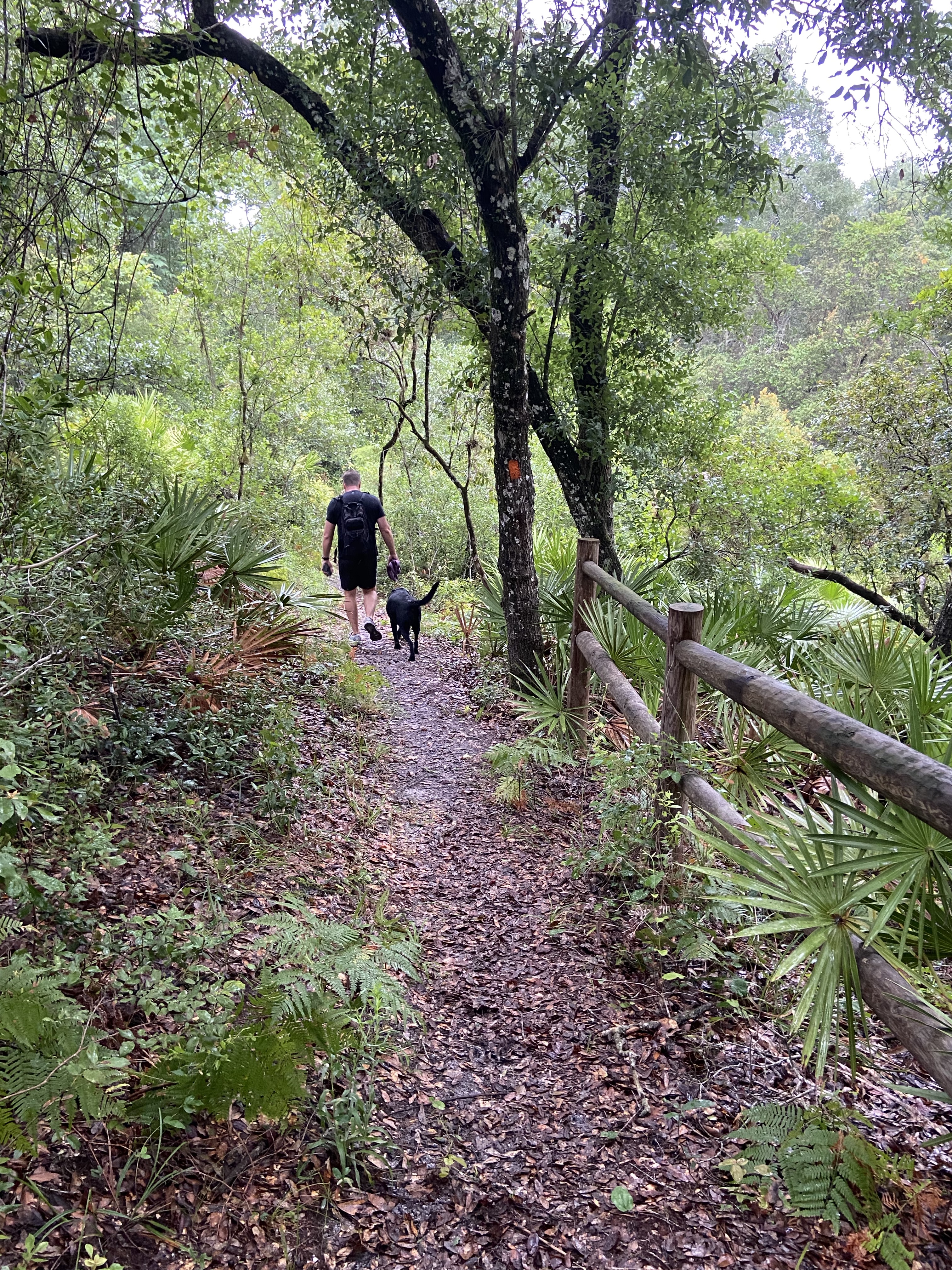
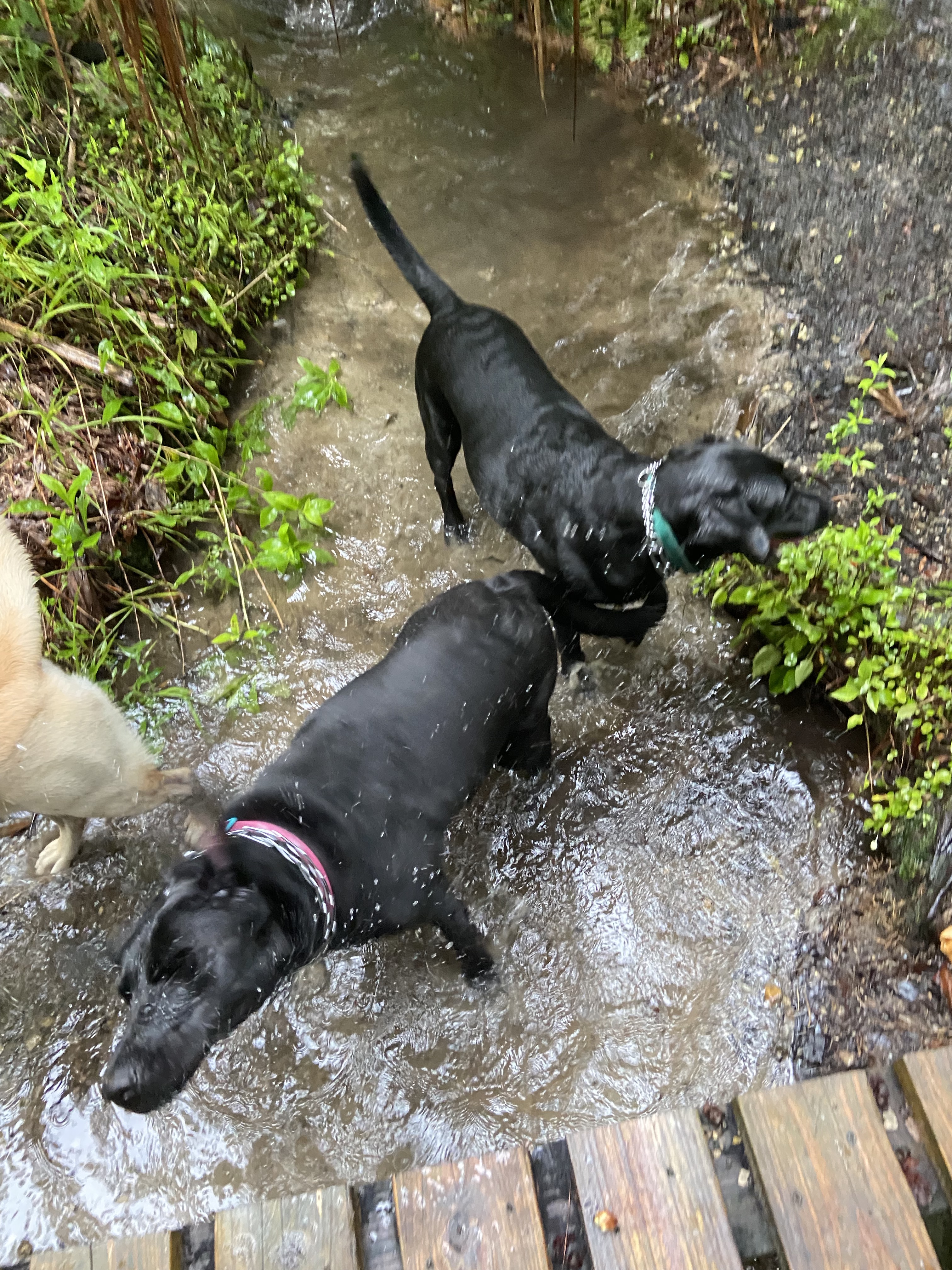
Whether the science supports the benefits of nature or not, I know personally that I just feel better after a jaunt in the woods, or an outing to the beach, or a hike in the mountains. When my husband and I chose our current house three years ago, we picked it largely because it had a large yard with abundant trees, and backed up to a conservation area with more trees and a variety of wildlife. I regularly run in local preserves and forests, and often take along my two labrador retrievers. Watching them romp around exploring rarely ceases to improve my mood. And while the pure stress relief is enough of a mental benefit, being out on the trails is mentally stimulating as well. Reading maps and markers and successfully finding points of interest like springs, creeks, rivers, waterfalls, and more, engages my mind and helps me feel more confident. I’ve even recently taken new activities this past year due to my love of the outdoors: kayaking and surfing.

Which brings me to my last anecdotal benefit: nature helps you stay young. Physically I may feel my age on some of my adventures, but mentally it brings me right back to my childhood traipsing through the Connecticut woods. As a kid I was rarely inside regardless of weather conditions. If it was summer my friends and I were hiking down to the local lake and catching pollywogs. If it was winter we were recklessly sledding those same paths. We rode bikes and played kickball. We swam or waded in lakes and streams. When things were wonky or rough indoors with my parents, the outdoors were my escape and my safe place. When I feel the stressors of life as an adult, I return to this childhood certainty. Nature is my happy place.

Stop Killing the Dead White Guys

I was once criticized as a high school English teacher for teaching “too many dead white guys.” The critique was leveled at me by a fresh, young female college graduate who was to be taking over my classes as I moved into an administrative position. While I was leaving the classroom, because I had a solid track record of pass rates for my AP Literature & Composition class, I was tasked with mentoring this new teacher. She in turn was asked to stick as closely as possible to my lesson plans and curriculum, even having me guest lecture periodically to cover specific skills and topics. In addition to AP, she also inherited my tenth grade English II classes and curriculum. I will admit looking back that my book list weighed more heavily in favor of dead, largely white, male authors: Homer, Dante, Shakespeare, Swift, Twain, Golding, Hawthorne, Conrad, Paton, Steinbeck, Fitzgerald, and others. I might have argued that there were also some dead women, and some live men. There were also short stories and poetry by a wider range of social, cultural, national, and gender demographics. But why so many dead, largely European, white guys?

If one looks at the whole of written language from the time of antiquity to present day, it’s fairly apparent that the majority of published works are still from men, and presumably white men, white being defined for these purposes as European or American descendants. I can’t go back in time and change society and culture so that men and women and minorities were all educated the same and provided with the same opportunities for success. If I were to teach a course dedicated solely to modern, or rather post-modern, works, I could more easily find balance in demographics. I read avidly today and probably from a higher percentage of female authors currently. I don’t necessarily pursue different races or cultures with any specificity, but I don’t choose against them either. I read what I enjoy as long as it is written well and carries my interest regardless of who wrote it. But when I had the responsibility of crafting a literature curriculum that spanned close to 3000 years and could only choose so many works to fill six different courses, the odds were ever in the white male favor.

The teacher I mentioned above took over for me in 2015. Now in 2021 it’s hard to not be familiar with the concept of cancel culture, but perhaps it’s been coming for several years. We’ve seen trends in history classes to wipe out entire units and eras to avoid causing hurt or offense. Monuments are being taken down or destroyed. What happens when we ignore our history? It does tend to repeat itself. Maybe if we listened to my dead white guys we would still learn some lessons that stand the test of time.

Adventures in Running Camp

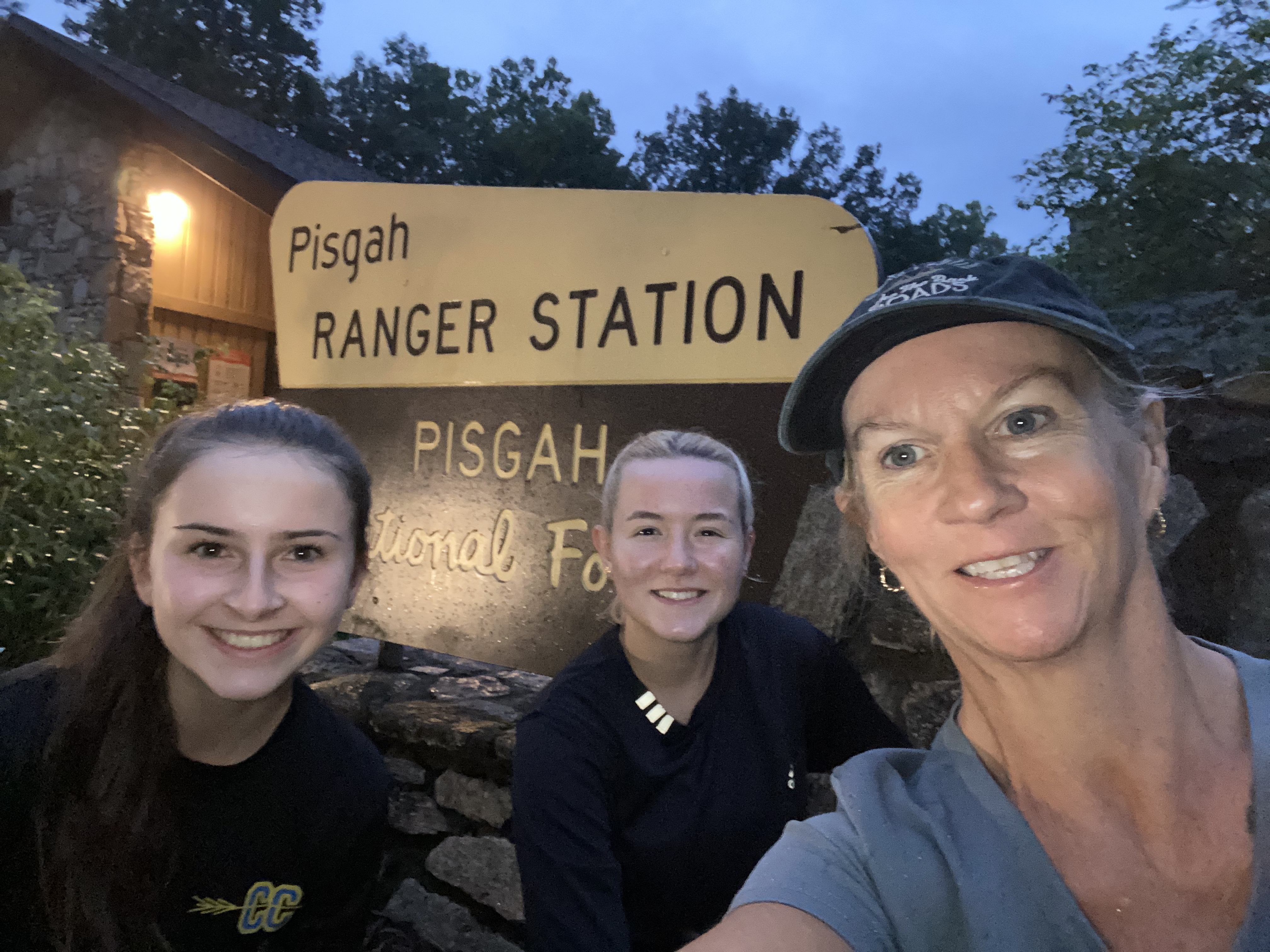
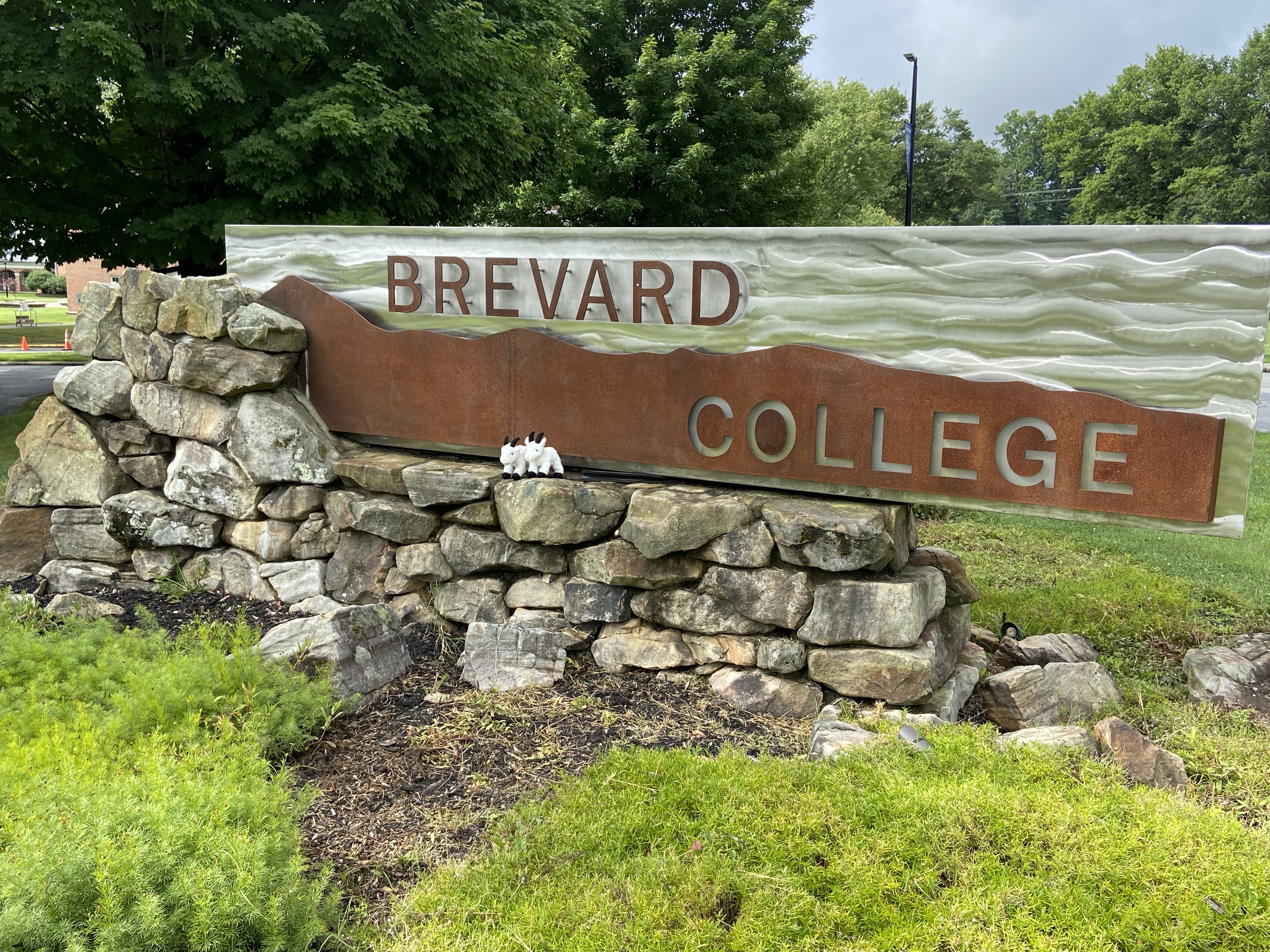
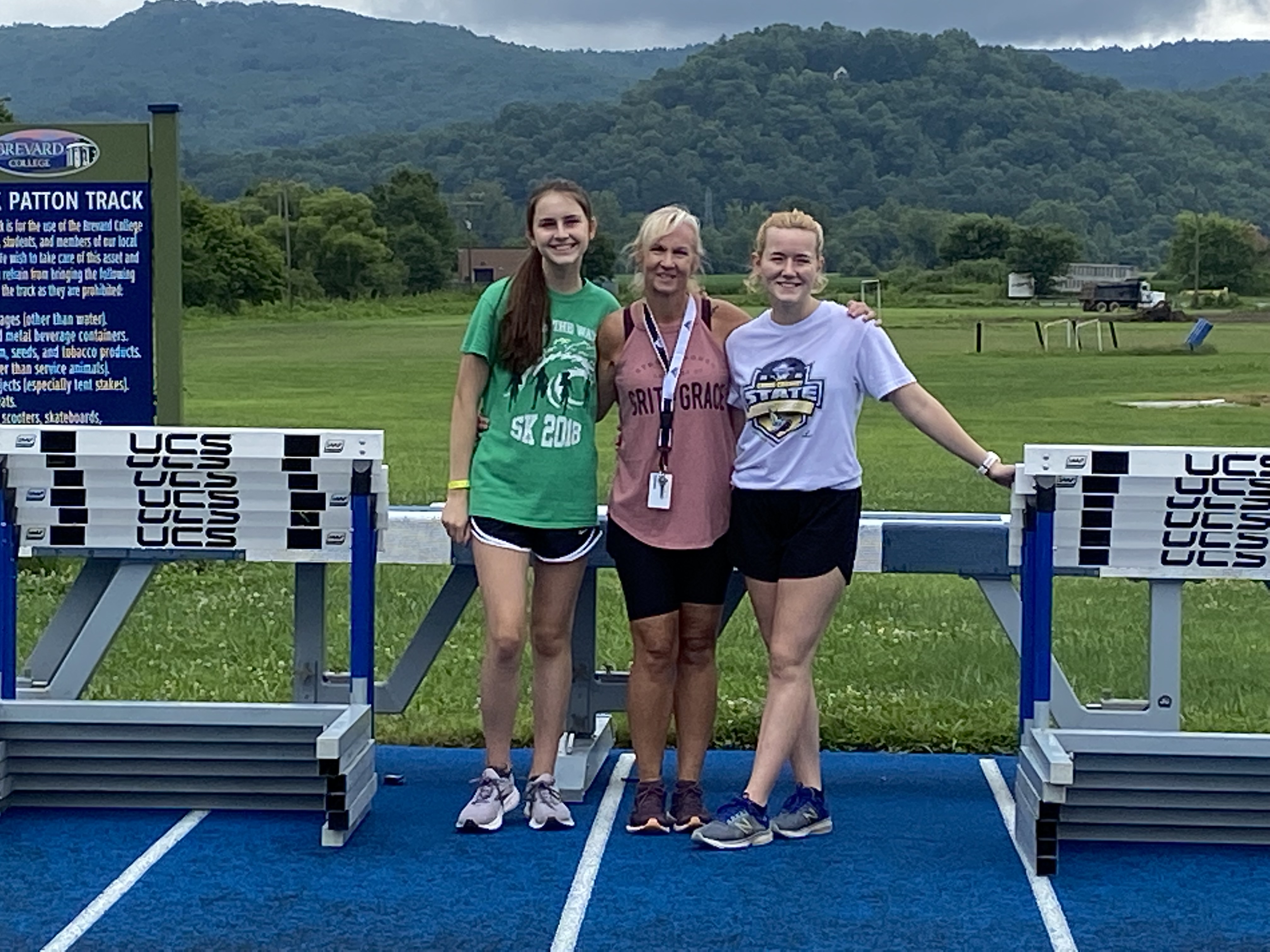
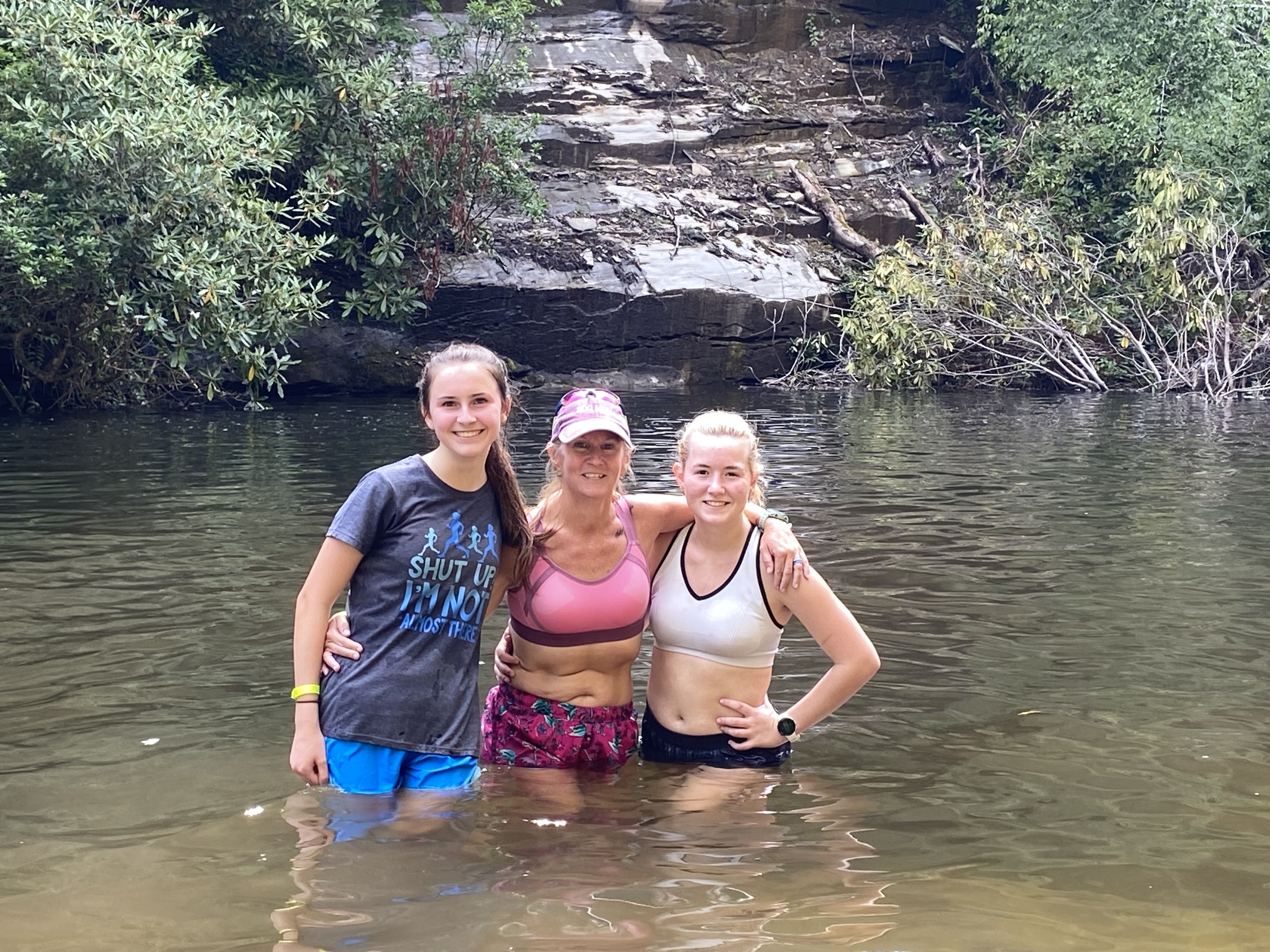
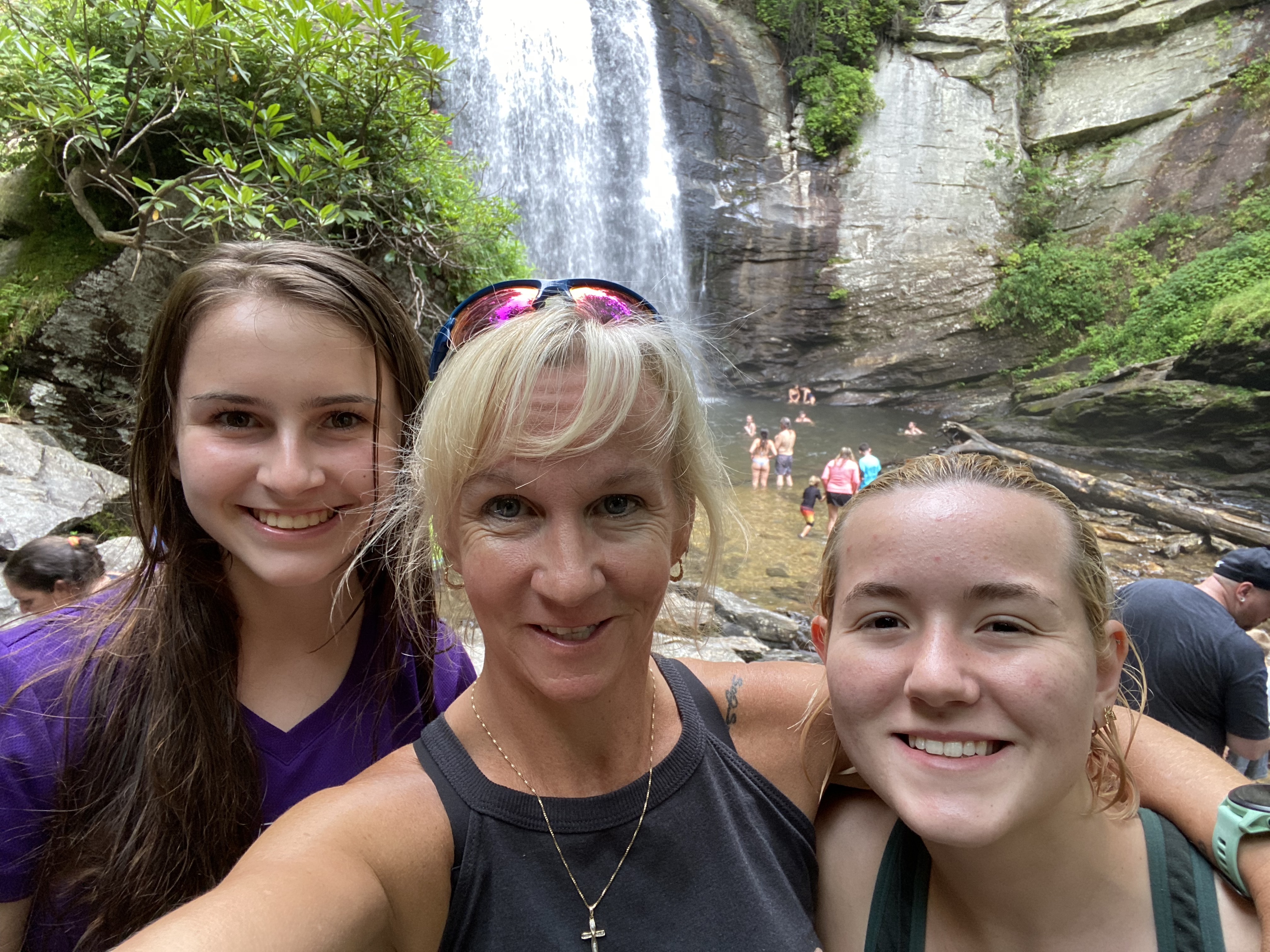
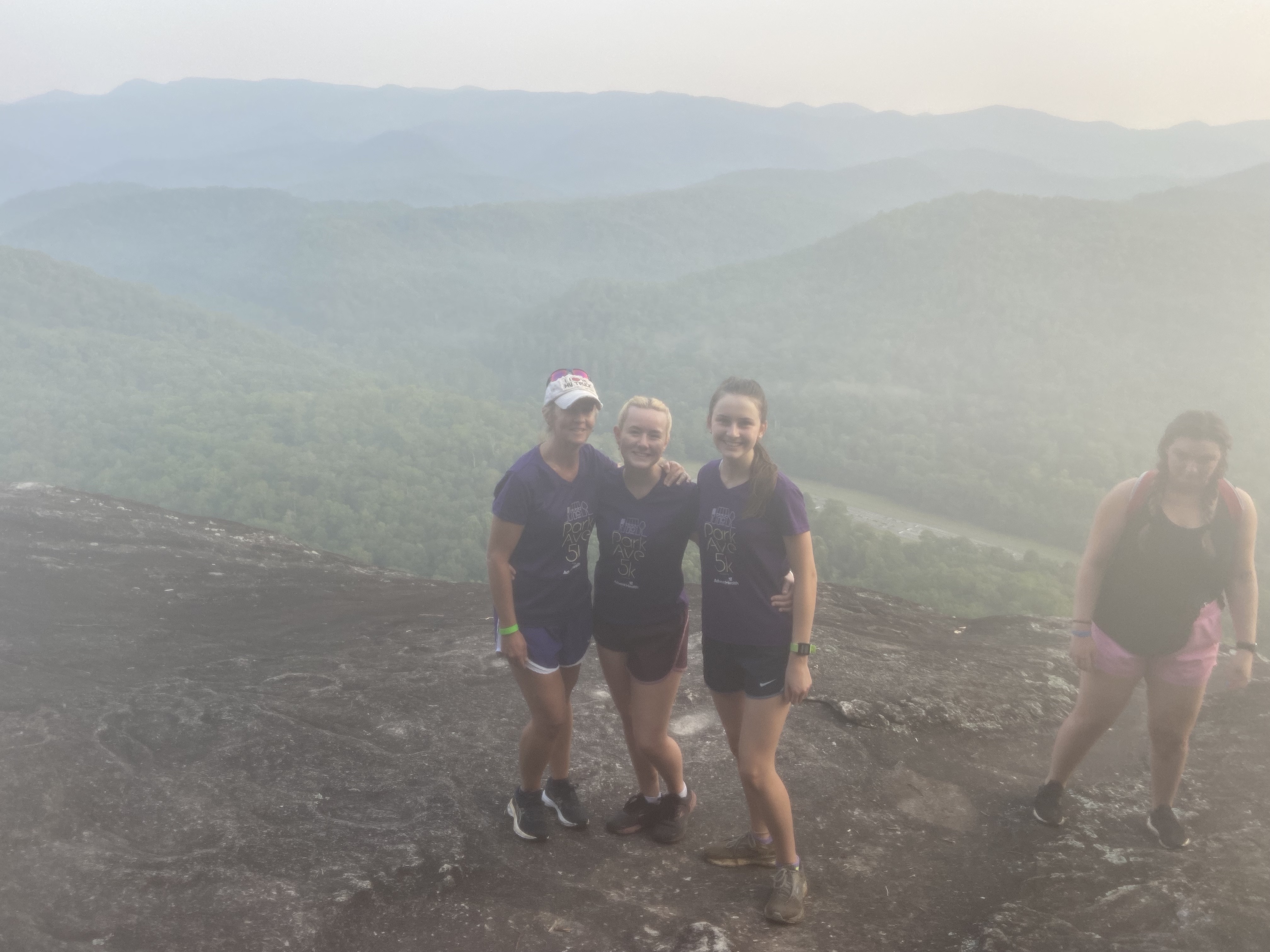
Last week I had the opportunity to attend a running camp in Brevard, NC with two of my cross country girls. It was a new experience for all three of us and not without its ups and downs, quite literally. As both a runner and a coach, I have some takeaways…

Runner Shelly

Welcome to Camp – As a runner I was challenged from the very first welcome run. This camp was not for the slowpoke, recreational runner. Given the option to go for 20, 30, or 40 minutes around the campus we were staying at, I opted for 30 minutes thinking no big deal. A welcome run shouldn’t be too strenuous, right? HAHA. Our leader took off dropping a pace I have never hit in my life. After 16 minutes, I pulled out. Maybe the trails would even things out a bit the next day.

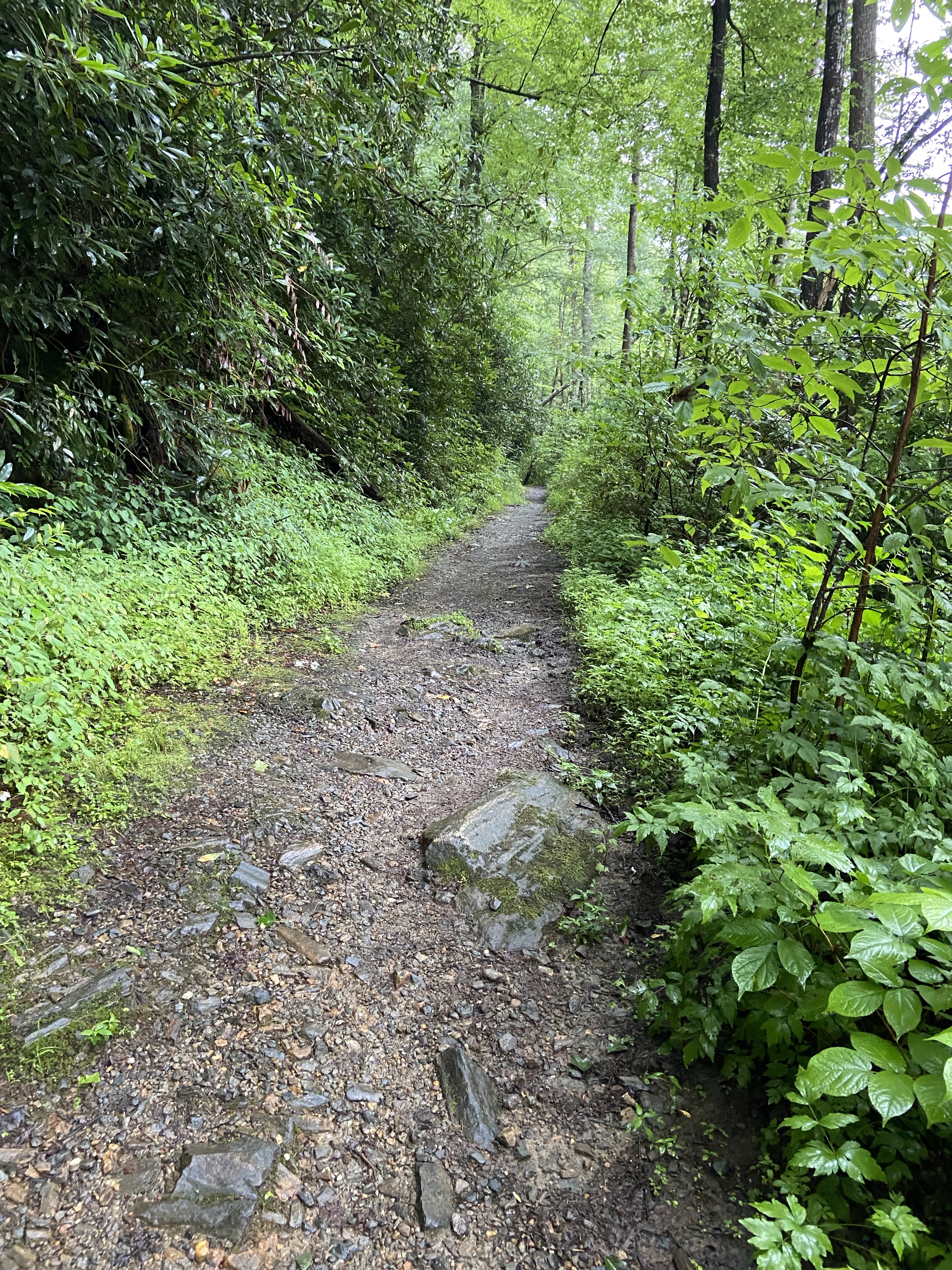
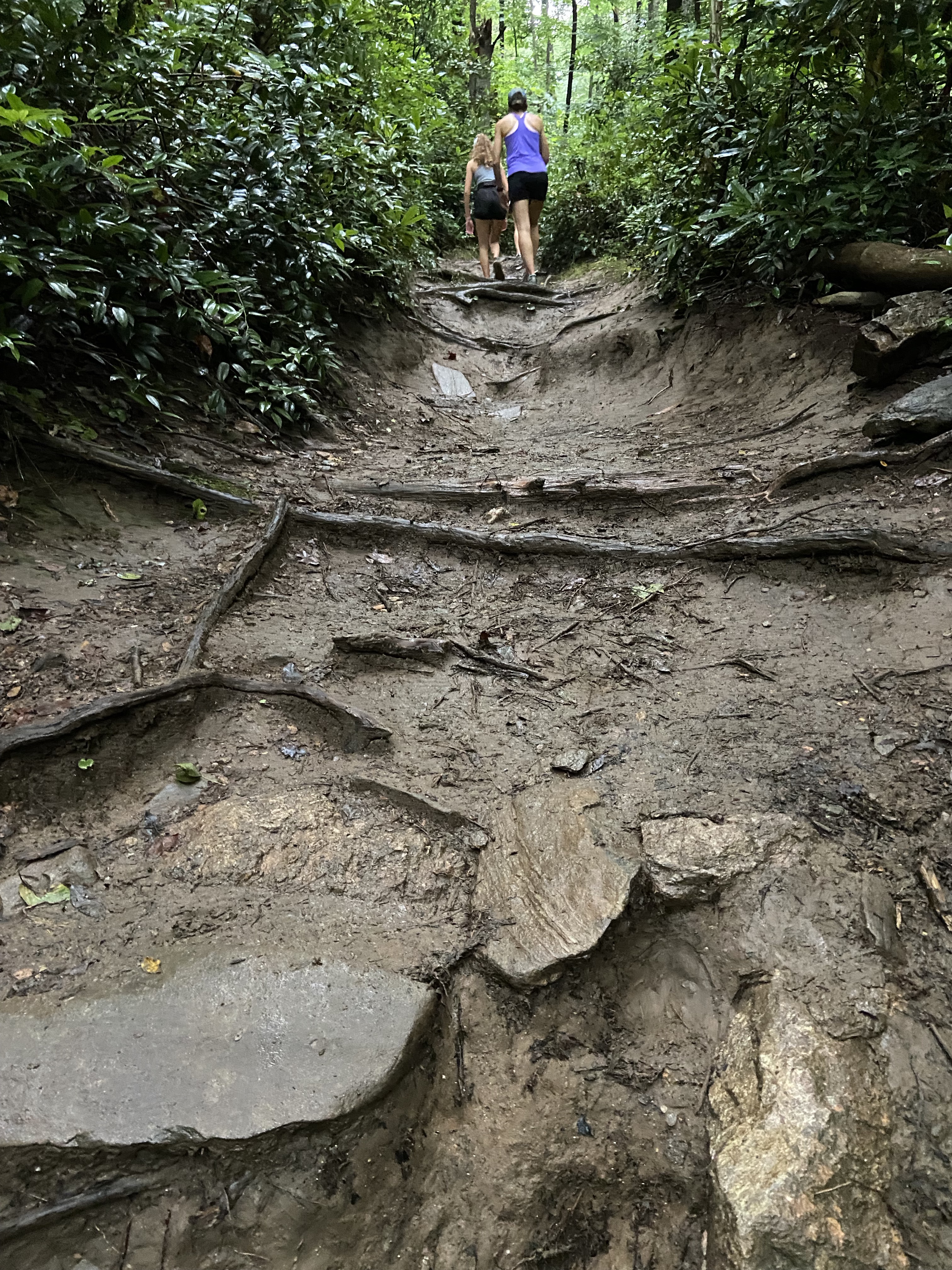
Hitting the Trails – Thought the fact that I run a lot of different trails and terrain in Florida would work to my advantage here, but I must have forgotten an important factor: ELEVATION. Florida is relatively flat. Where we live is roughly 80 ft above sea level. Camp started at around 2200 ft and our daily trail runs began with a 450 ft gain, added to each day by about 50-100 ft more for a final “graduation” run on day five of 825 ft gain. In addition to the elevation factor, North Carolina trails have some rocky challenges. The term gravel doesn’t not mean what this Florida girl thought it meant.

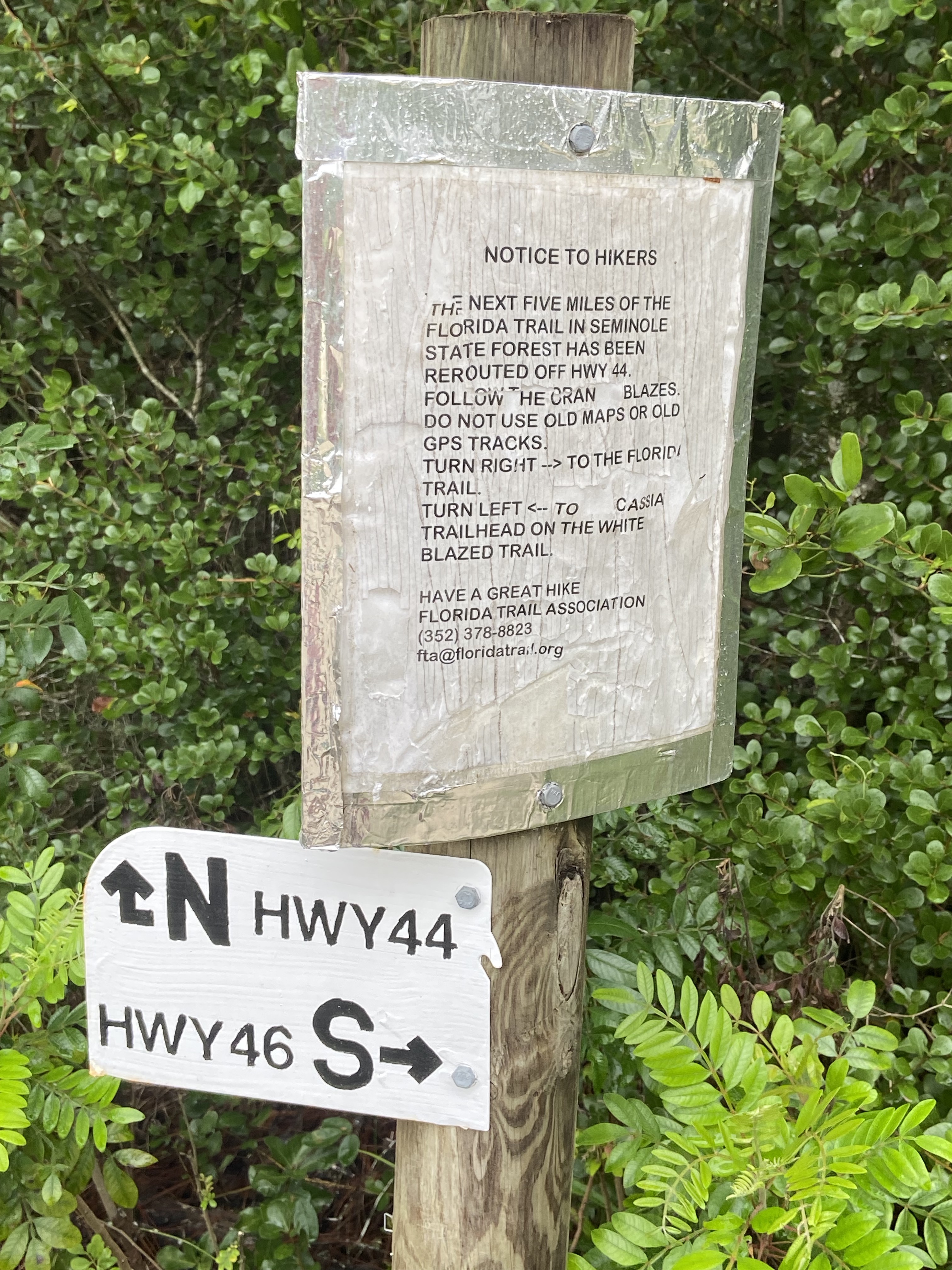
Directionally challenged – Living on a peninsula also means it’s not terrifically hard to know where you are in relation to compass points. Not so much when you are winding through the mountains. I’m fairly adept at reading trail markers (blazes), but not when there aren’t any. Most of the time we had camp staff to point us in the right direction, but some runs they were few and far between. Thankfully I managed not to get lost, but I did pick up an extra 1.2 miles and 150 ft elevation gain that I was no planning on one day.

No regrets – Overall I’m glad for the experience of running someplace new and having to dig deep. I’m satisfied knowing I pushed through five straight days of difficult trails even if I was way in the back of the pack and muscles I didn’t know I had were not happy with me. I might have trained a little differently leading up to camp if I had a better idea what I was up against, but now I know for next time.

Coach Shelly

The girls I ended up going with are pretty different from each other back home. There is a three year age gap and 3-4 min difference in mile pace. Lot’s of other schools had brought full teams or groups that were more suited to running together. At first I felt bad that my two runners would kind of be on their own each day for these new, intense, challenging runs. There was also some lack of direction from the camp schedule and staff regarding what the coaches’ duties would be.

Thankfully we were paired with two other schools, one from nearby in Central Florida. Over a couple days we found ourselves carpooling, doing team challenge courses, and generally hanging out with these teams and their coaches. I got to see my girls making new friends during these times, and learning to dig deep physically and mentally when they were alone sometimes on the trails.

I also gained some personal direction as I observed and interacted with other coaches and runners throughout the week. On two different runs I ended up leading small groups who were uncertain about either the trail or their pacing. In learning sessions I picked up a few useful ideas to bring back to my own practices, and I saw where opportunities were missed that I know I already do better with my team. I may have even acquired some new vision and direction as to where I want my coaching to go beyond what I’m currently doing.

Smarter Not Harder

A friend and I have been on a mission this summer to thoroughly explore as much as possible of our local preserves and forests and their hiking trails. Some locations are fairly easily accessed, some require longer hikes than would be appropriate with the heat and four dogs in tow. Recently we discovered an effective hack that allows us to work smarter and not harder to access trails we couldn’t previously.

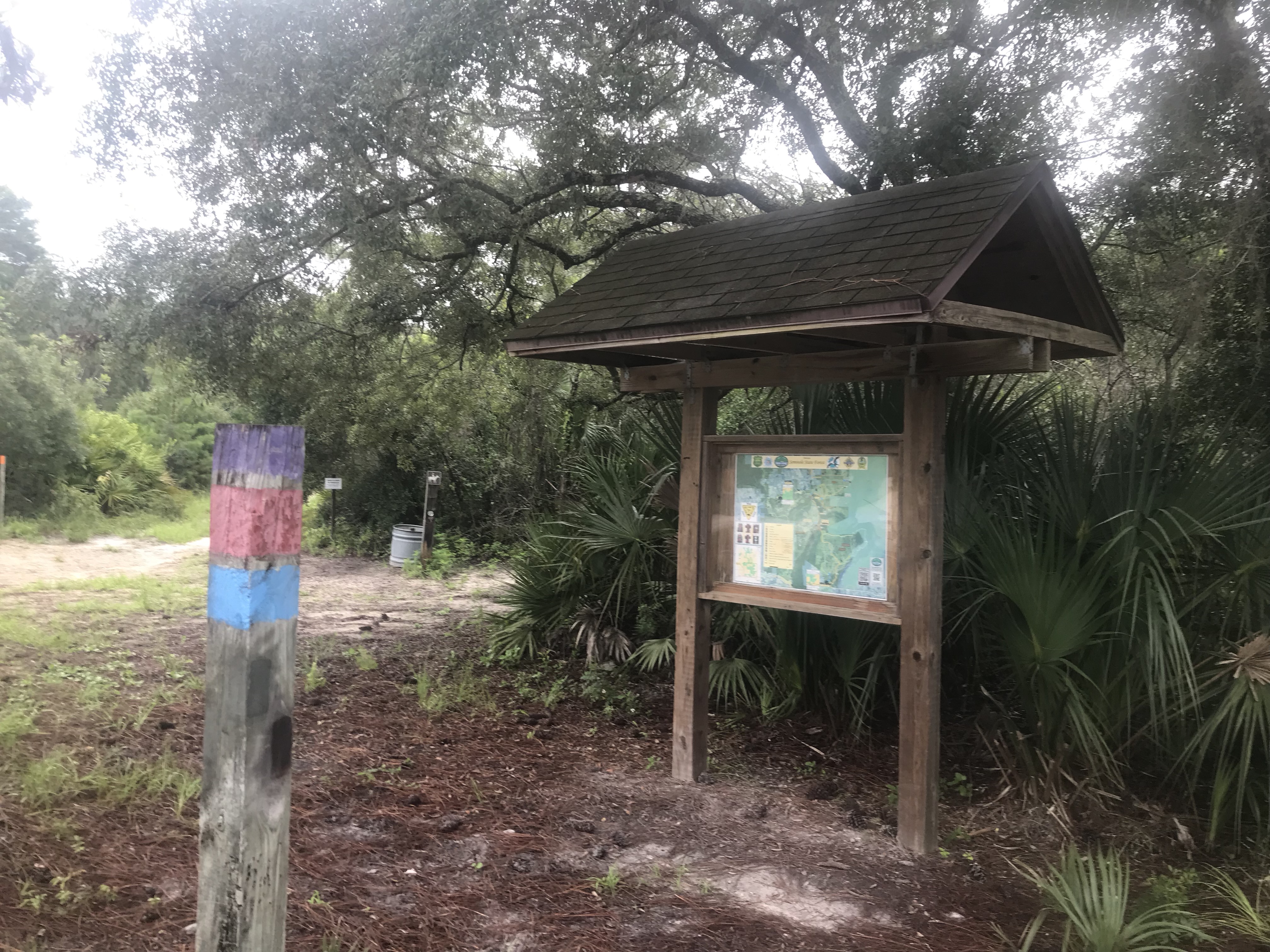
A couple months ago said friend had booked a campsite for the weekend in the local state forest. Unfortunately a family emergency kept him from camping, but included in the reservation was an access code to the gate at the front of the park allowing car passage further in and around the forest. We went on an afternoon reconnaissance mission and discovered all the different campsites and locations where we could park and potentially explore in the future. We also found out per the reservation email that the gate code was good for the whole month. Hmmm…so technically for around $16 after fees, we could book a campsite and have access not only to our own parking location for that date, but a way to access the whole area for an entire month? Challenge accepted. This month we will explore to our hearts’ content and if we still haven’t exhausted the trails, we can opt to “camp” again next month, or any really.

Digging Roots: Value of Hometown

Some thoughts from inside my head this week…

I listen to a lot of contemporary country music and a song that’s been running through my head due to daily radio play is “My Hometown” sung by Kelsea Ballerini & Kenny Chesney. While it’s definitely catchy and I frequently find myself singing it in my head, I’ve been thinking I don’t really relate. Traditionally a hometown is where you grew up, where you were raised, where perhaps core members of your family still live.

From birth until I was twelve years old I lived with my parents in Watertown, CT. Most of my dad’s living family still resides in that state, but after we moved to Florida in 1985, we didn’t go back to visit much. From 1985-1990 we lived in Jupiter, FL, closer to my mom’s parents. For college I attended University of Florida in Gainesville and really only went back to Jupiter for short breaks and one summer. My parents eventually moved back to Connecticut and then back to Florida with job transfers and my grandparents passed away in 2001. When people ask where I’m from, I’m usually at a small loss at what to say. I’m a hybrid species?

Until this past weekend, it had been 20 years since I had set foot in Jupiter. Why did I go back? My 30 year high school reunion. I completely misjudged how nerve bending the experience would be. My last visits were for my parents’ move, followed by my 10 year reunion, followed by my grandfather’s death, followed by my grandmother’s move (her death came only months later in CT). The combination of memories from those experiences, coupled with seeing classmates I hadn’t interacted regularly with in a very long time, rattled me a bit. My husband and I were able to enjoy some time exploring and I did get to run two mornings in different settings, but when I got back home, it was a lot to process. Which leads me to the crux of this blog piece: how important is hometown?

From 1994 to present my husband and I have lived in Central Florida (Orlando area). After the first three years of apartment living in one town, we built a house about 10 miles away. We lived 21 years in that house with our son, Ryan, who was born just under a year after we moved in. We upsized and moved 8 miles across town a couple of years ago and are currently renting the old house back to our son. He went to the same school for kindergarten through twelfth grade then to a local four year university. Presently he’s a teacher at another private school located only a couple of miles from his old school. He attends a weekly Bible study at the church he grew up in, helps coach cross country with his high school coach (and me), coaches archery with his archery coach since eighth grade, and sees the same family doctor who has been treating him since age five. Our family best friends are a wife who taught Ryan in third and sixth grade, a husband who was his high school cross country coach, and two kids who consider Ryan a cousin/brother and who call my husband and I “uncle” and “aunt.”

Today’s world largely encourages getting out there, not digging roots and staying put. I would argue that there is also value in having a place to literally and figuratively call home. After the disjointedness of my reunion weekend and “going back” to a place that was a home at one point in my life, I can say I was so comforted to be truly back home. Not just in my house, but in my community. I even commented to a friend how much friendlier people are on my “home” running routes…possibly because even though I don’t know most of them by name, I see the same faces frequently and we all feel safe and comfortable waving or saying hello. We know our grocery store employees, and several local restaurant owners by name and face. I have families on my cross country team who I have known for years, whose children I taught, or who taught Ryan. These elements have given me peace and security through good times and bad over the years.

While my husband and I didn’t really get to dig our own roots until we were adults, we are watching our son flourish, in several areas adulting better than we did at that age. I believe having a good dose of familiarity has allowed him take on other aspects of independent life more confidently. Will he stay in Central Florida his whole life? Who knows? But he will have a hometown to come back to if and when he seeks it. In the mean time he’ll hopefully be enjoying the growth that comes from those strong roots. I know I am.

Why Dig Deep?

Below is a post I wrote for another blog nearly six years ago (November 2015). I think it encapsulates why I chose Dig Deep as part of my current blogging and business adventure:

Ryan’s teammates getting him to the finish during a seizure

I have a son with epilepsy.  It has taken ten years of seizures for me to start calling the spade the spade and use the E-word.  In the last year and a half, he’s become a runner and participates in our school cross-country team.  It’s been a messy ride to say the least, but here’s what we’ve learned through the experience:

Community: At the very first pre-season race, Ryan seized in the last half to quarter mile, but he finished mostly upright.  I had to catch him coming off the finish line and work him through the emotional release brought on with the combination of race end and seizure.  When we got out to our car, there was a mom and daughter next to us and they both took a moment to walk over and tell Ryan they were impressed with his finish.  I felt compelled to explain what happened, but the mom stopped me and said she was a doctor and could tell he had epilepsy and was ready to jump in and help us if needed.  She didn’t judge us for letting him run, she applauded his efforts.
Determination:Every race, seizure or no seizure, muscle pain or no muscle pain, Ryan finished the race.  One particularly rough seizure literally knocked him to the ground and when I made it to him, he was crawling on all fours.  He was confused a bit, but when I asked him if he wanted to finish, he said yes, and when his coach asked him if he could get up, he replied, “I can’t walk, but I can crawl.” 
Letting Go:This one is about me.  I can’t put into words how it felt watching Ryan crawl, confused with skinned knee, through Florida clay until a teammate came and got him on his feet and walked him to the finish. The hardest thing I did all season was walk away when Ryan asked me to, but that is the one thing he comments on the most: how thankful he is that we let him run, and let him fall, and don’t stop him from persevering. We also had to trust Ryan’s coach and defer to his judgment when we didn’t trust our own.
Teamwork:Starting with the second race, Ryan’s teammates rallied around him for every seizure-ridden finish. His co-captain jumped in each week after having run his own race and ran alongside or behind Ryan up to the last little bit across the finish.  Most races once the team knew what was happening, several runners would jump in and run alongside the course encouraging Ryan and making sure he was protected.  In the last race, and the toughest course, the one we were most fearful of, the entire varsity team, and several of the girls’ team members spread out along the course to keep him safe.  During several races a healthy competition arose between Ryan and one of the girls because their times were similar; Ryan would sometimes spur her on by telling her to beat his own time. By the district competition, which Ryan was unable to qualify for, he was running some of those same teammates into the finish.  Support became the accomplishment.
Disappointment:Ryan’s biggest wish going into this past season was to run varsity.  His summer training set him up well and before the season began, there was no reason to believe he wouldn’t accomplish this goal.  Unfortunately as his season progressed, it became apparent he’d be staying on JV due to his times being slow because of the seizure interruptions.  There were so many weeks his finish time just wasn’t what he wanted or needed and I asked him often if he wanted to quit; selfishly, there were weeks I wanted him to quit because I was so tired of watching him struggle.  He refused to give up, even through disappointments.  When the district meet came and he couldn’t run at all, he came and encouraged his teammates and truly didn’t let it bother him.
Leadership:Ryan was named co-captain along with another senior runner and friend since kindergarten. As the weeks went on, I seriously questioned his coach’s choice.  It might have seemed a good idea when it looked like Ryan would run varsity and actually aid in leading the team, but it kind of sucked when he was finishing last.  Leading isn’t always about being up front though.  Setting an example of perseverance and sticking with commitment is leadership.  Giving thoughtful input while watching your teammates’ times and forms and mental health is leadership.  Pep talking the team at school when the coach isn’t around is leadership.

Tomorrow night Ryan will attempt his first half marathon.  His training hasn’t gone quite according to plan, but in typical Ryan fashion, he refuses to give up.  I will run and if needed, walk, alongside him and help him do what he’s been doing all season…finish the race.

Current update: Ryan is still running, setting a new 5K PR just this past January, and he has been an assistant coach for his high school team since graduating in 2016. He has been seizure-free for almost 5 years now due to a VNS implant.

Fake It ‘Til You Make It?

I was watching the Olympic Trials for Track & Field the other evening and the commentator mentioned how one of the female runners had struggled with “imposter syndrome.” The comment stuck with me because it was a phrase my own therapist had used to describe some of my own hesitations with regard to coaching running. At the time I thought is was semi-psychobabble that kind of made sense but also sounded kind of made up. It turns out this is actually a fairly common struggle, particularly for female athletes and coaches.

My own running & coaching journey didn’t begin until well into adulthood. The year I was to turn 40 I decided that I could let aging get the best of me or I could try something new and focus on becoming stronger, fitter, healthier. I started running a few months before my birthday and completed my first 5K a couple months after. It certainly wasn’t fast or pretty, but it was a start. While doing that first race with a friend, we came up with a plan to be back two years later to run our first half marathons. We ended up beating that goal by four months and during the training process I became hooked on this new (to me) sport.

Less than two years into my personal run training I had another friend mention that her husband who was head coach of our school’s cross country team was looking for some additional help with a small and somewhat new girls’ team. I think I half-jokingly said something along the lines of, “Well, I run. Slow. But I do work with teenagers [as a high school teacher] and I could at least help with corralling and managing the girls if he wants to teach me how to coach.” I’m sure looking back there were many times he regretted his decision to take me on board as green as I was, but I what I did bring to the plate was an ability to develop relationships and create an environment the girls wanted to be a part of, even when they weren’t sure they actually enjoyed the running.

In seven years of coaching I have learned so much. That friend’s husband, who is now my friend as well, not only taught me how to coach cross country, he agreed to coach me in my own running. The combination has worked out well for both aspects. Nowadays it’s not unusual for me to be completing the same workouts as my girls and I could probably hang on with the middle of my pack. I’ve completed dozens of races at 5, 10, 15K and half marathon distances. In seven years coaching, the team has become a consistent environment that is both competitive and encouraging. Two seasons ago we saw our first individual female runner qualify for the state meet and last season the team took the district championship and qualified as a team for the state meet for the first time in school history.

“Comparison is the thief of joy.”

Theodore Roosevelt

Even with these successes I still find myself asking if I belong. Am I really good enough as a coach to be doing this professionally? I’ve taken courses, gotten certifications from USATF, and put in the time, but still if you put me in a room full of other coaches I feel a little like an imposter. At the end of the day I still feel a little like I’m faking it, and not quite sure I’ve made it, but all I can do is keep moving forward. Maybe the real lesson is to stop asking as athletes and coaches if we’re good enough but if good with what we’re doing. Are we enjoying the journey? Are we accepting the personal successes? Can we stop letting comparison steal our joy? Yes, I believe we can.